Latin American parliaments explore artificial intelligence tools and share implementation experiences
November 17, 2026 | Activity
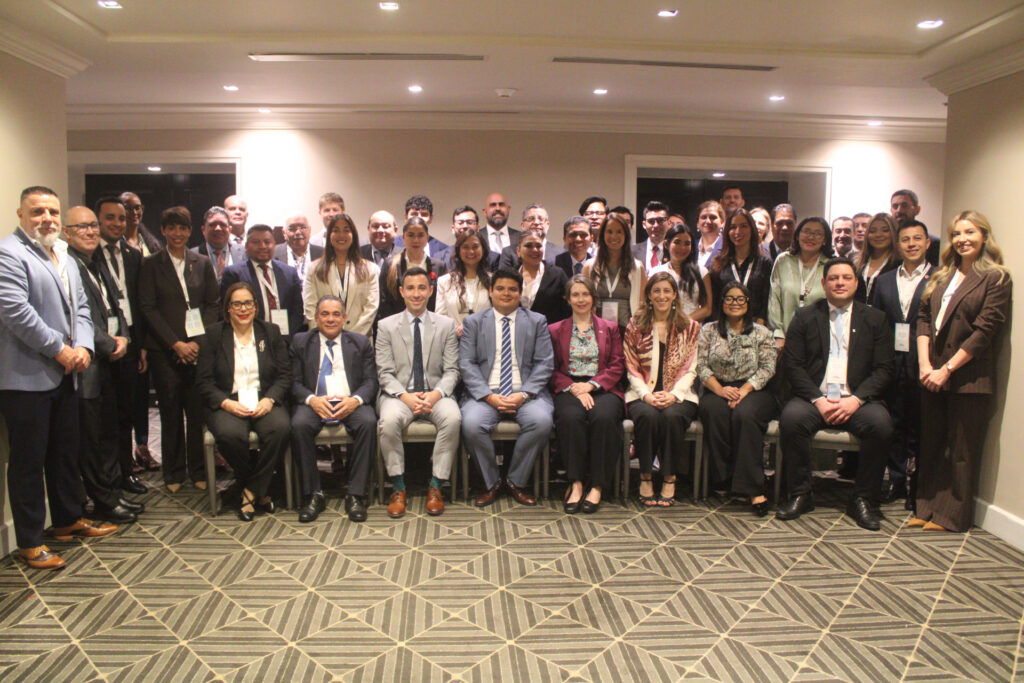
Artificial intelligence (AI) is already part of our daily lives, and its everyday use has become widespread, to the point that parliamentary staff around the world are already using it individually in their day-to-day work. In this context, the real qualitative leap for Latin American parliaments lies in moving beyond the individual use of AI to its adoption at the institutional level to optimize legislative work, improve information management and strengthen engagement with the public. To support this transition, the region has a significant advantage: its track record and existing initiatives in transparency, access to public information and open parliament. The open data standards established through these efforts provide an important foundation for ensuring an orderly transition towards the use and adoption of AI in parliamentary processes.
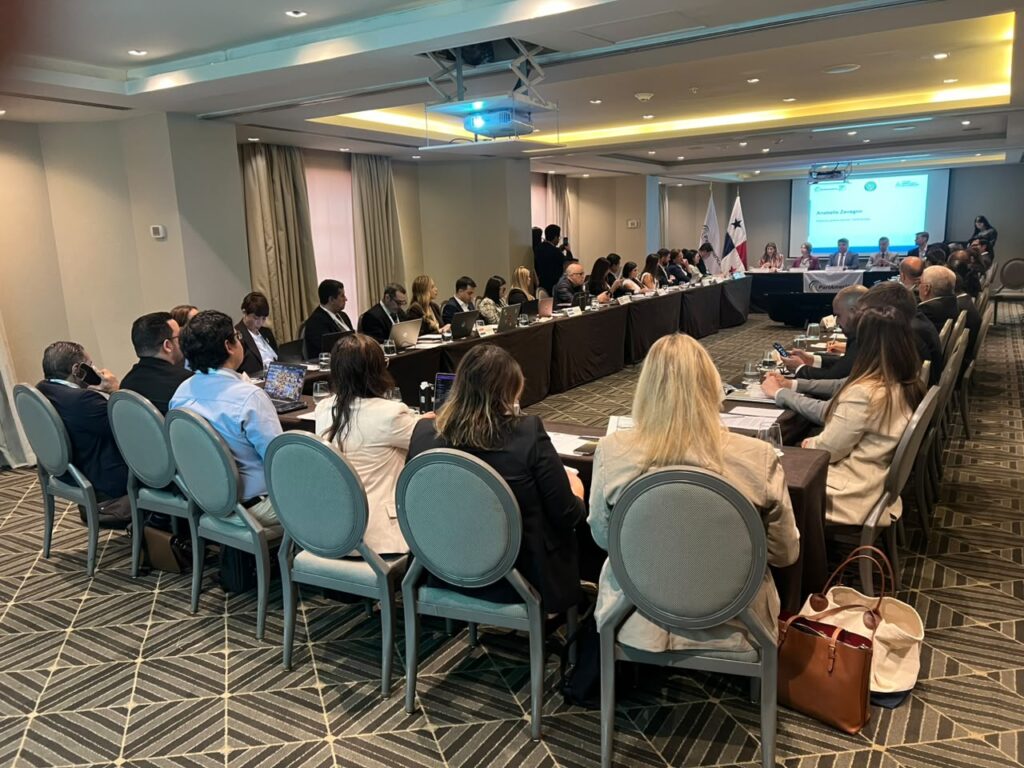
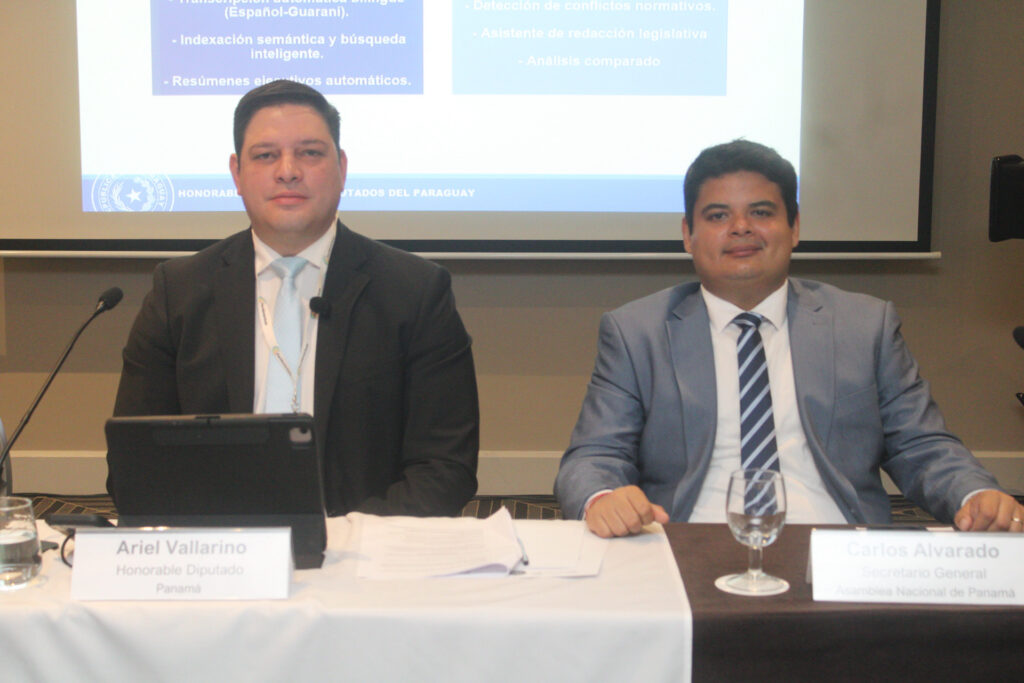
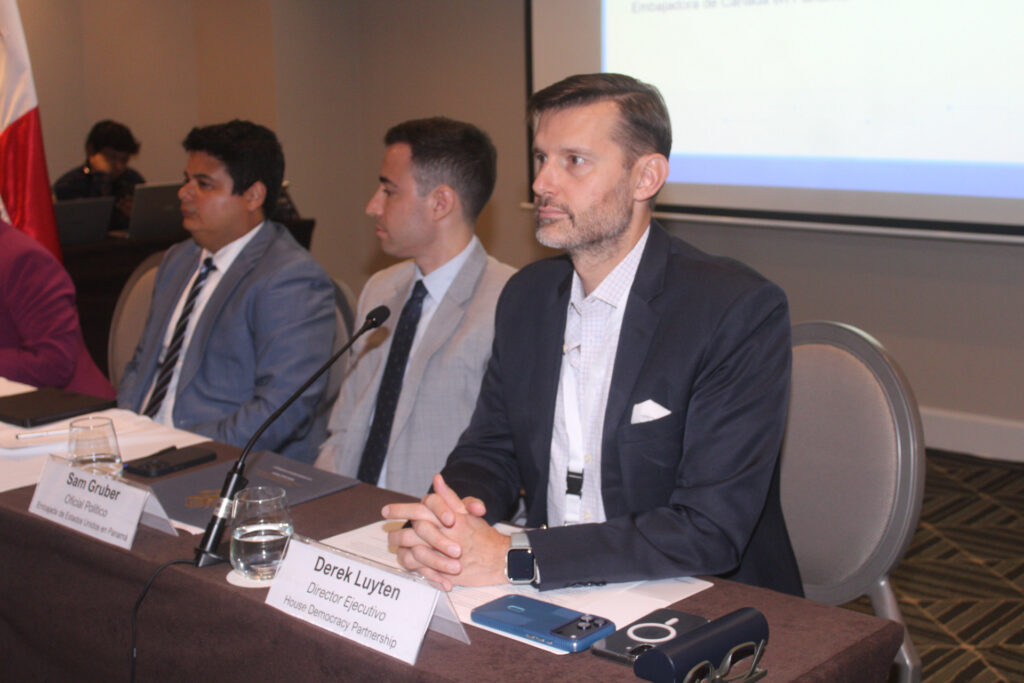
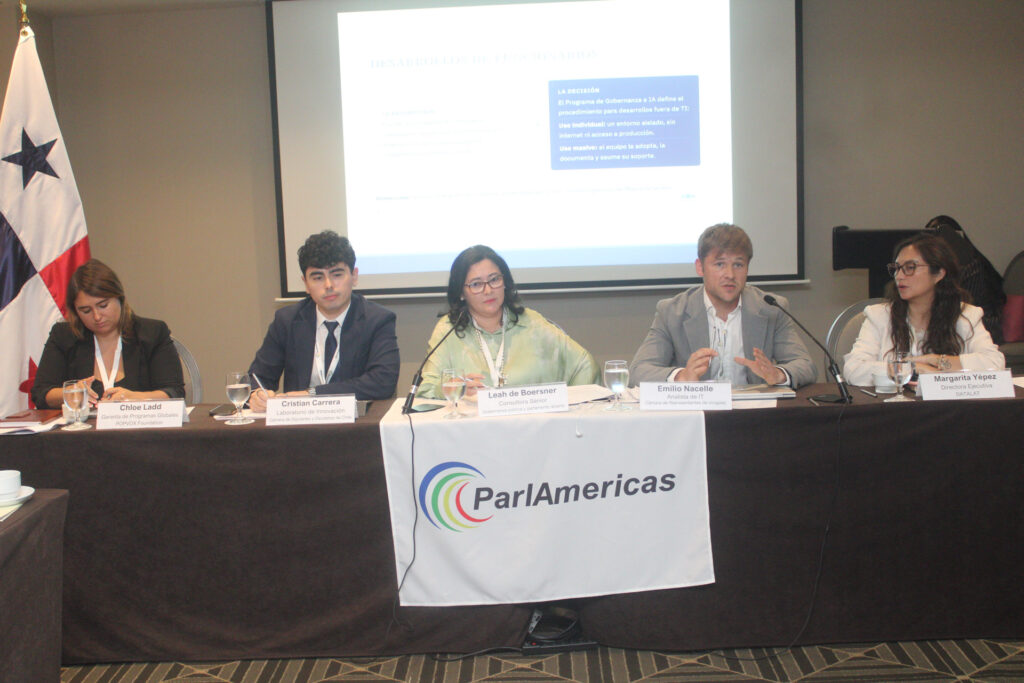
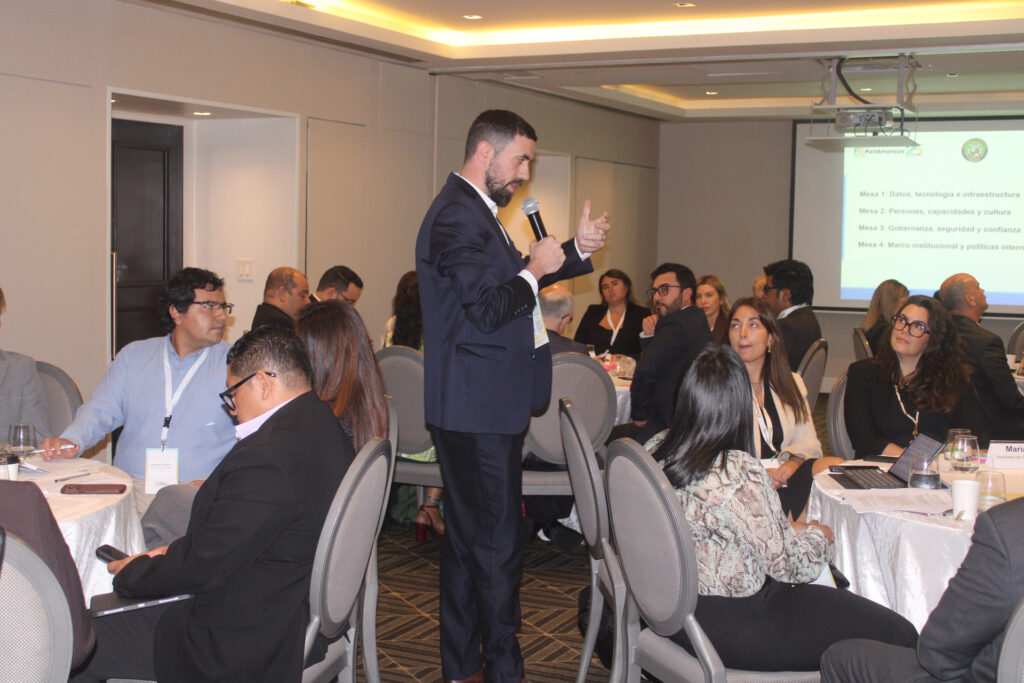
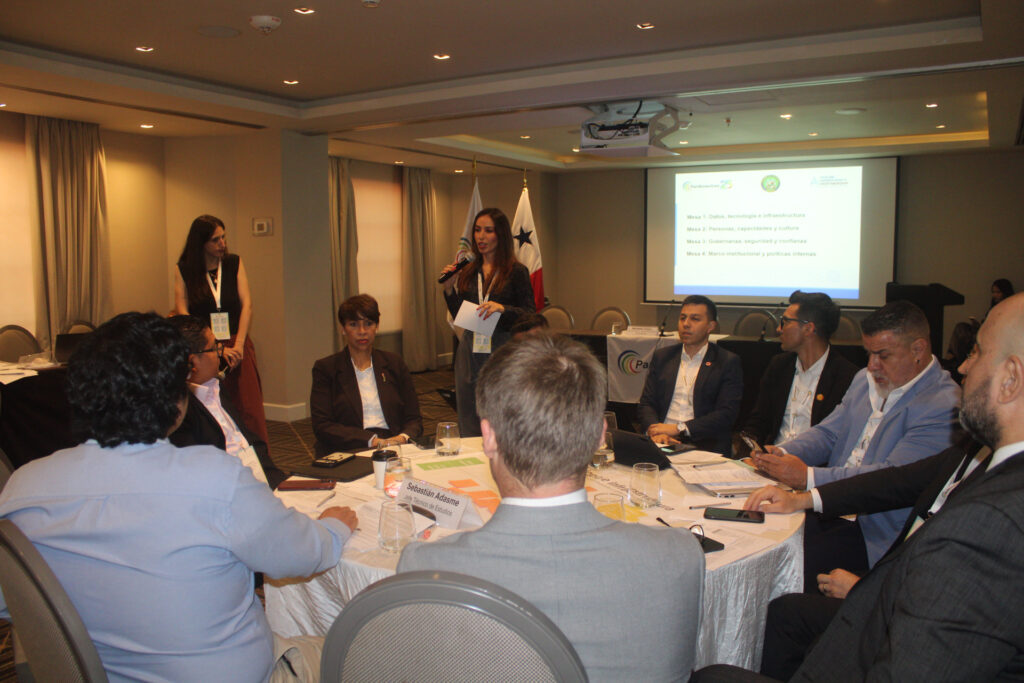
These topics were addressed during the sessions and practical workshops held by ParlAmericas and the House Democracy Partnership, with the support of the National Assembly of Panama, on November 16 and 17 in Panama City. Entitled “Building the Parliament of the Future: From Innovation to Digital Transformation with AI”, the event brought together parliamentary staff from 14 countries to exchange experiences with peers, engage with specialists and explore practical tools and approaches for using AI strategically and responsibly. Throughout the two days, participants examined lessons learned and good practices to advance digital initiatives that strengthen the efficiency, transparency and responsiveness of parliamentary institutions, while underscoring the importance of regional collaboration and learning.
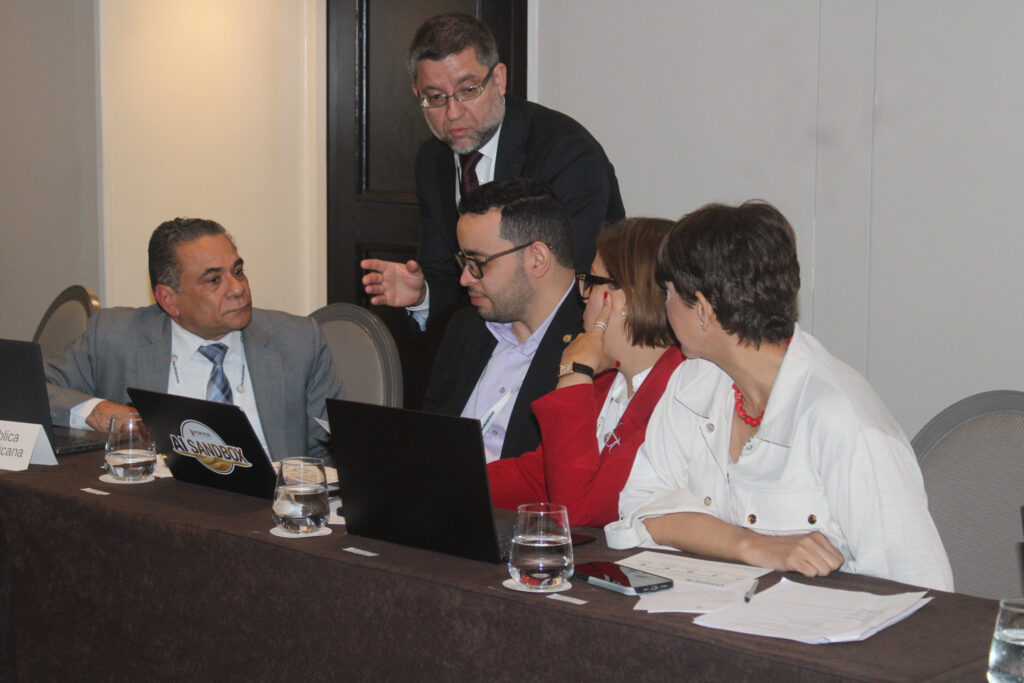
During the various sessions, participants, supported by specialists from DATALAT and UNDP, presented several ongoing initiatives — such as intelligent search engines, tools for comparing laws, transcription systems and internal assistants for data queries — alongside the technical and institutional lessons learned from their development. Parliamentary staff from Argentina, Brazil, Chile and Uruguay shared good practices in incorporating AI into different areas of work, including support for administrative processes, document management, research and advisory reports, as well as transcriptions and verbatim records. They also discussed implementation challenges, lessons learned and areas for improvement, including those related to data governance, interoperability, cybersecurity, traceability, human oversight and cultural change.
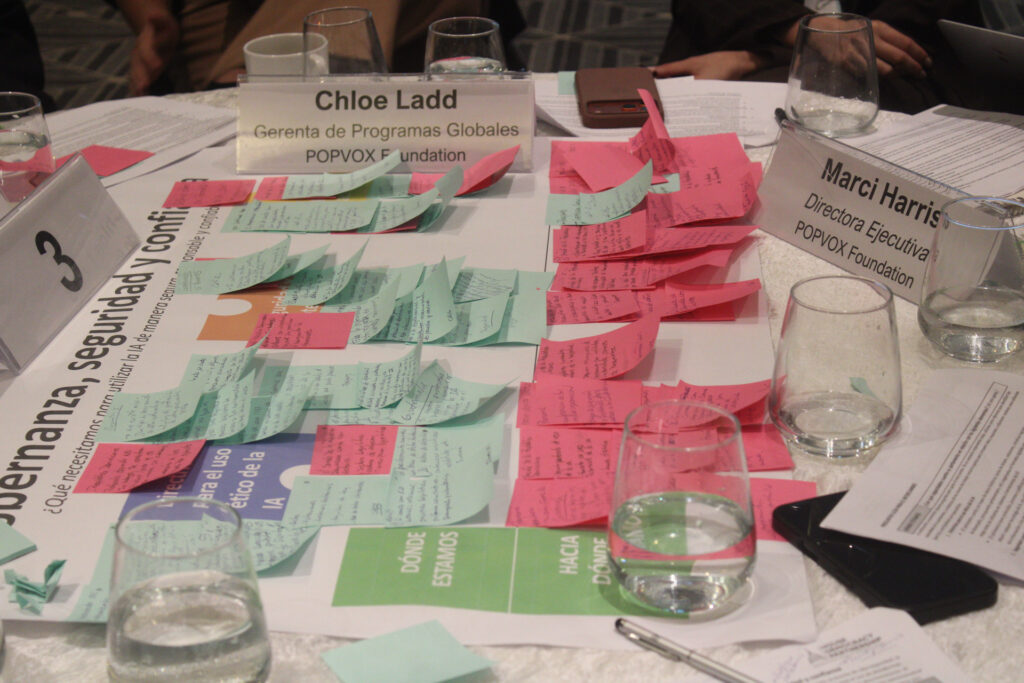
Through working group discussions, participants conducted an assessment of current AI capacities in the region’s parliaments and examined possible actions and key considerations for parliamentary administrations to advance innovation and digital transformation processes. The discussions also underscored the importance of upholding fundamental principles such as ethics, the protection of personal data and sensitive information, and human oversight, among others.
With support from specialists, participants explored available AI tools, including the LATAM-GPT, an initiative developed by CENIA, and gained hands-on experience through a “vibe coding” workshop, conducted in test environments and facilitated by POPVOX, to design proposals for digital tools using real parliamentary data.
![Panelists seated at a long conference table during a Pan American event, with flags in the background and nameplates in front of them.]','Five professionals in business attire sit at a panel with microphones, water glasses, and name badges visible as a banner bearing the Pan American logo hangs nearby.','Panel discussion in progress: a row of suited speakers at a table with a projector screen to the side and labeled nameplates in front of them.','Formal meeting scene with five panelists in suits, microphones, and a banner displaying the Pan American logo.','Conference room panelists at a Pan American event, with flags behind them and individual nameplates identifying each speaker.'] } } }`0?`},0} } (Note: If there are formatting issues, please use the following clean list. )`**Oops**` Sorry, here are clean ALT text options:`{](https://parlamericas.org/uploads/documents/Highlight-2026-11-17-DigitalTransformation-HDP-ParlAmericas-Photo-01-1024x683.jpg "ParlAmericas › Highlight-2026-11-17-DigitalTransformation-HDP-ParlAmericas-Photo-01")