Parliaments from around the world promote concrete actions to guarantee the right to food
November 17, 2026 | Activity
Advances in food production have not been enough to eradicate hunger and malnutrition. According to the most recent United Nations estimates, 645 million people suffered from hunger in 2025, and 2.7 billion could not afford a healthy diet. Behind these figures lie deep social and economic inequalities, exacerbated by economic instability, the effects of climate change, and insecurity and conflict.
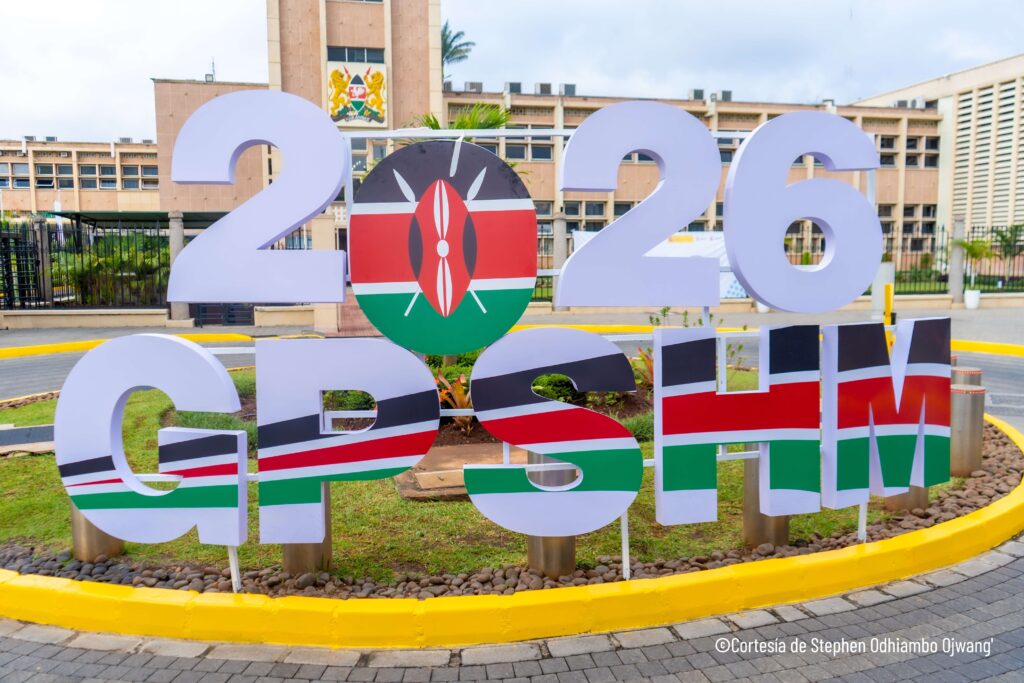
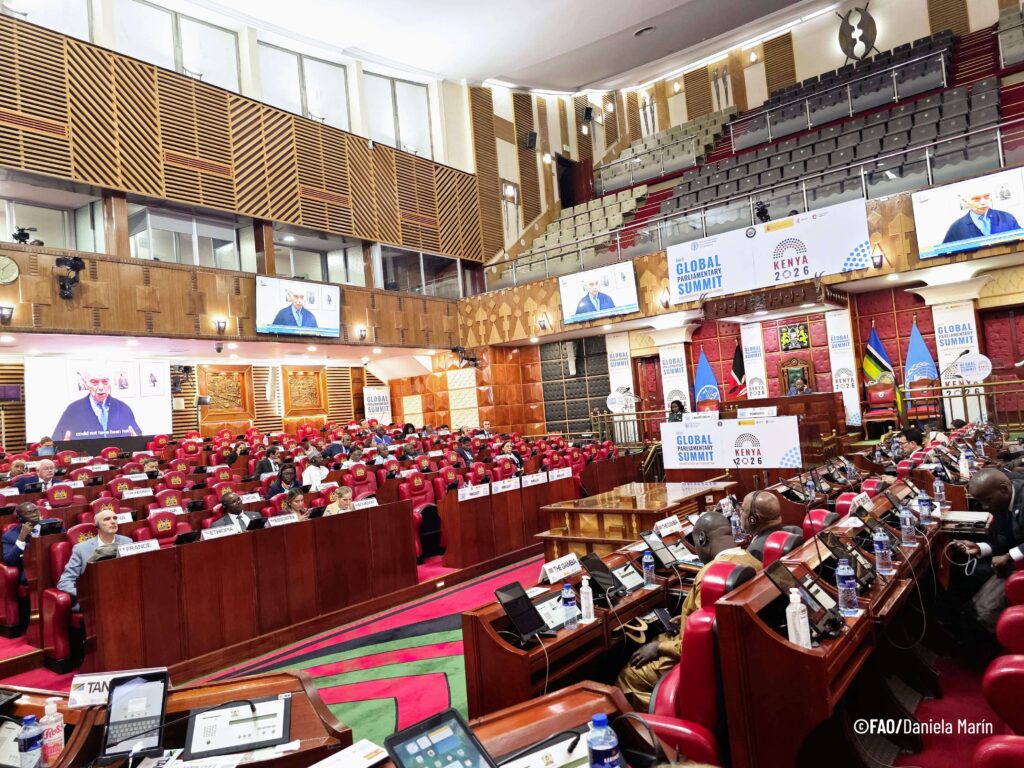
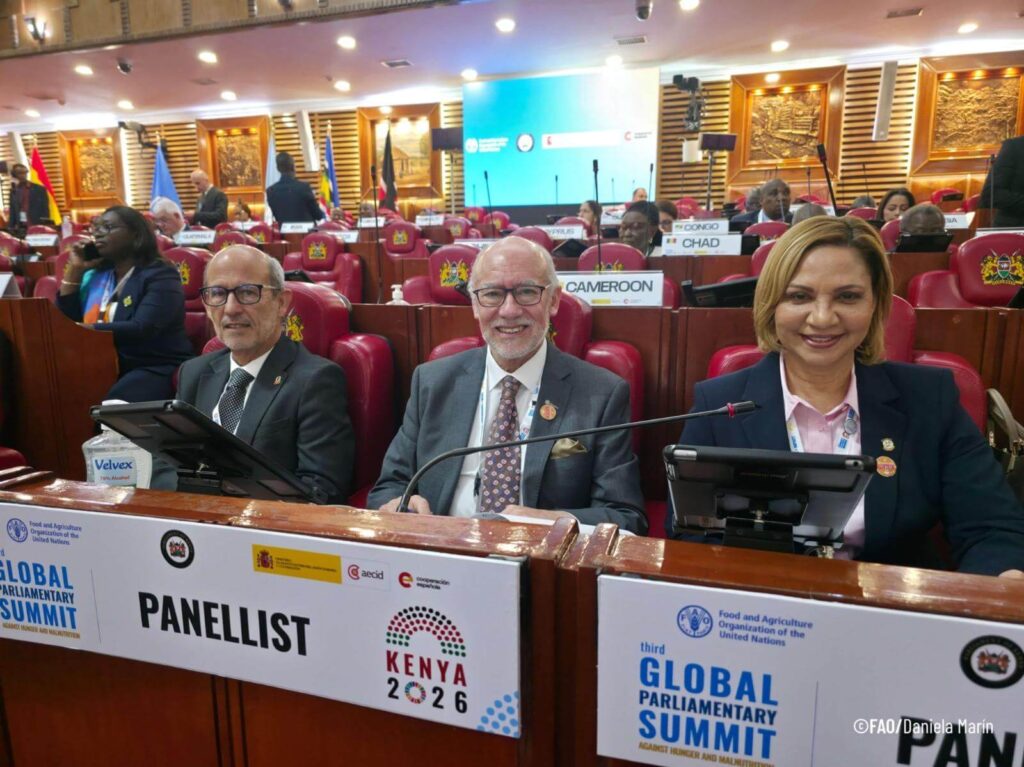
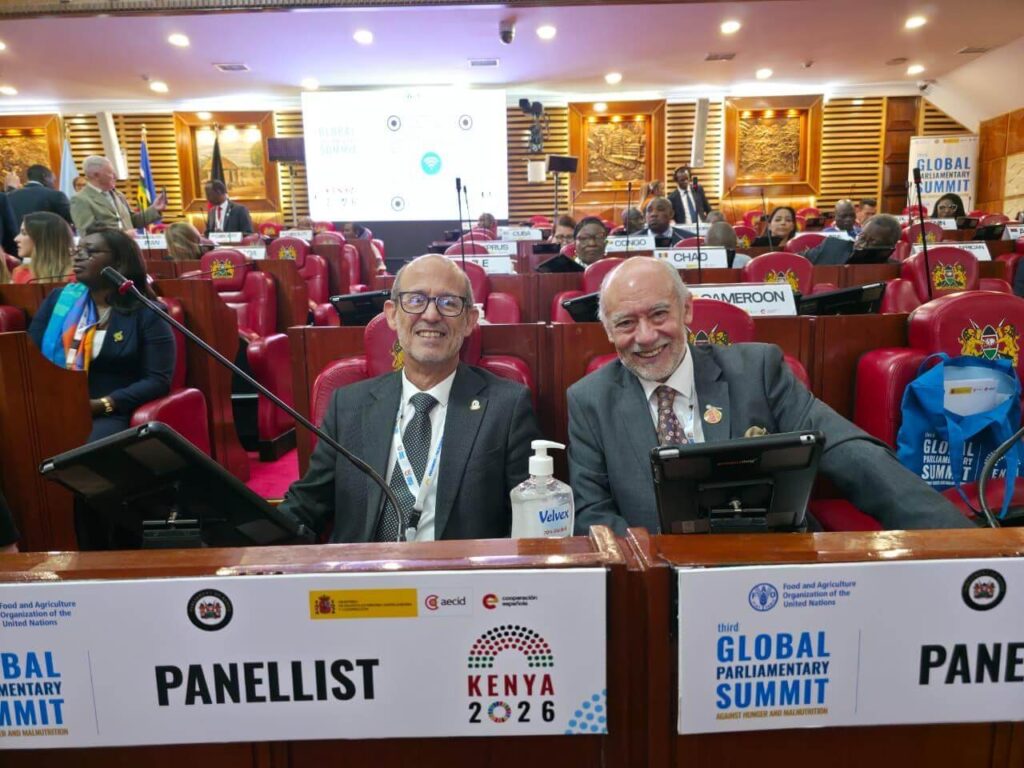
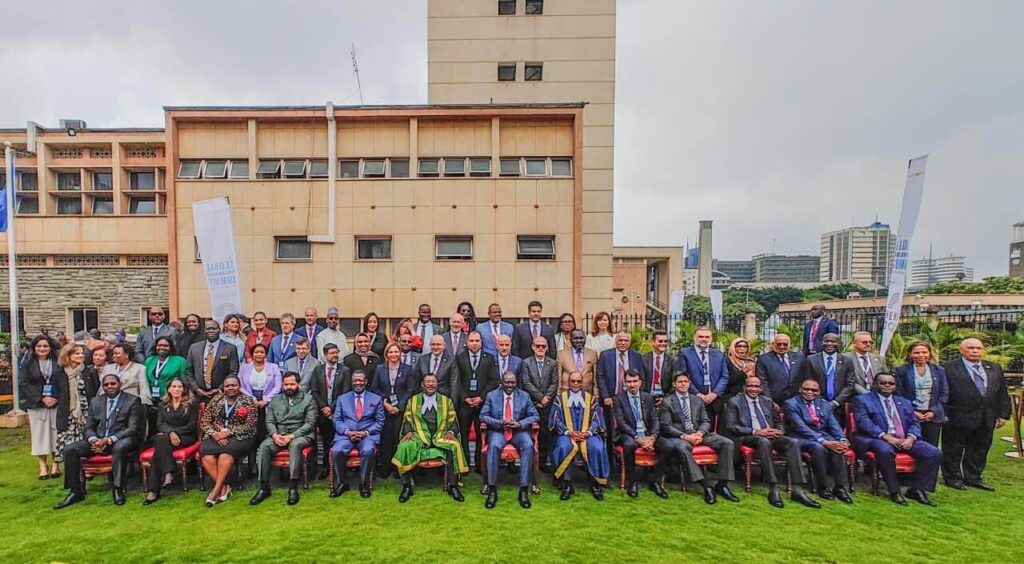
In response to this situation, nearly 200 parliamentarians from more than 70 countries met on November 16 and 17 in Nairobi, Kenya, for the Third Global Parliamentary Summit against Hunger and Malnutrition, organized by the Food and Agriculture Organization of the United Nations (FAO), the Kenyan Parliament, and the Spanish Agency for International Development Cooperation (AECID). ParlAmericas was represented by its president, Chilean Senator Iván Flores García.
Held for the first time in Africa, the Summit followed up on the meetings in Madrid in 2018 and Chile in 2023, where the Global Parliamentary Pact Against Hunger and Malnutrition was adopted. In Nairobi, delegations reviewed the progress made and the challenges that remain, with particular attention to realizing the right to food through inclusive development and social justice, access to healthy diets, and building more efficient, inclusive, resilient, and sustainable agri-food systems.
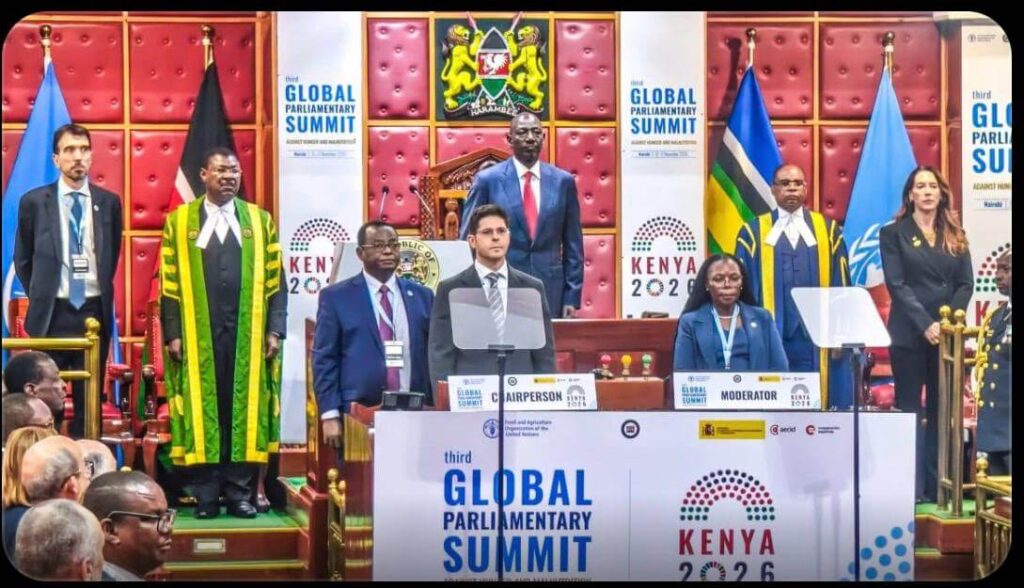
Kenyan President William Samoei Ruto opened the Summit with a call to place the fight against hunger among the top global development priorities. His address highlighted Africa’s potential to transform its agri-food systems, mobilize its own resources, and deepen regional economic integration, while also underscoring the importance of strengthening international cooperation and parliamentary action to advance toward greater food security worldwide.
In his address during the inaugural session, Senator Flores García stated that the fight against hunger and malnutrition constitutes a political challenge that requires confronting structural inequalities and power relations that perpetuate exclusion. He also called for reflection on the place of human dignity and social justice in our development models and emphasized the value of inter-parliamentary collaboration in advancing shared responses to hunger and malnutrition.
Over the two days, the delegations shared legislative experiences on school food programs, agroecology, and the reduction of food loss and waste, among other initiatives aimed at improving food security and nutrition. The discussions also addressed the importance of supporting these initiatives with public resources and monitoring mechanisms to evaluate their results, as well as the possibilities for expanding parliamentary cooperation between regions.
The Summit culminated in the adoption of a final declaration reaffirming a shared vision for combating hunger and malnutrition, grounded in the right to food, social justice, and the sustainable transformation of agri-food systems. This vision acknowledges the diversity of regional realities and priorities, while also emphasizing the need for sustained parliamentary action capable of addressing the inequalities and crises that threaten food security and of maintaining collective commitments beyond international meetings.
ParlAmericas’ participation in Nairobi is part of a history of work that has linked food security with a broader agenda of human rights, gender equality, climate change and sustainable development in the Americas and the Caribbean. In this sense, the Summit offered an opportunity to reaffirm the value of parliamentary diplomacy as an instrument to build agreements and strengthen international cooperation in favor of the right to food.