Elevating Indigenous Women’s Voices Through Parliamentary Action and the Inter-American System
November 19, 2026 | Activity
Advancing the rights of Indigenous women is essential to building more inclusive democracies, strengthening sustainable development, and ensuring that public policies reflect the realities and priorities of Indigenous peoples throughout the Americas. Yet Indigenous women continue to face multiple and intersecting forms of discrimination that affect their access to health care, education, justice, economic opportunities, political participation, and a life free from violence.
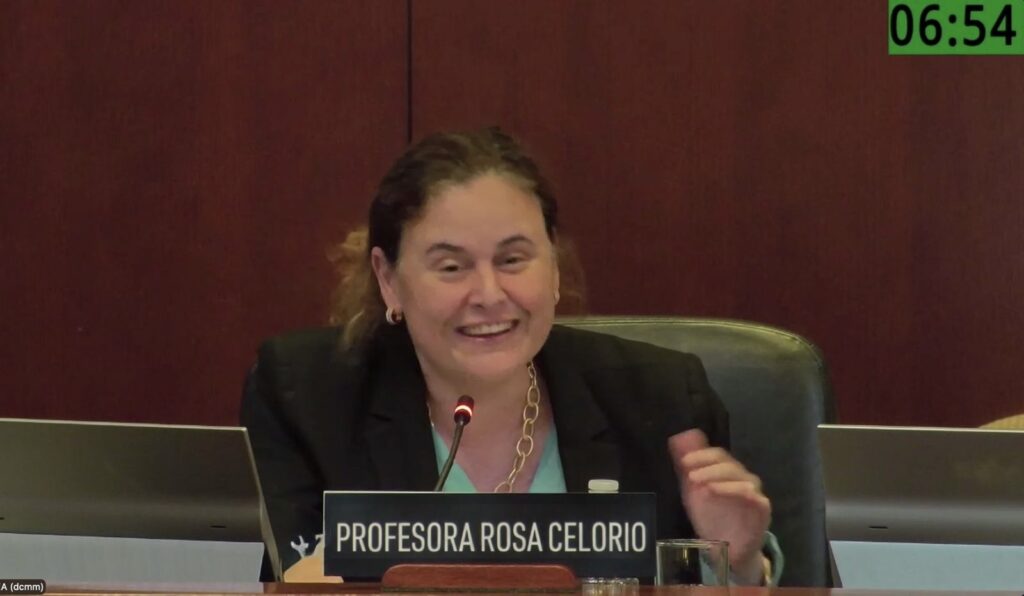
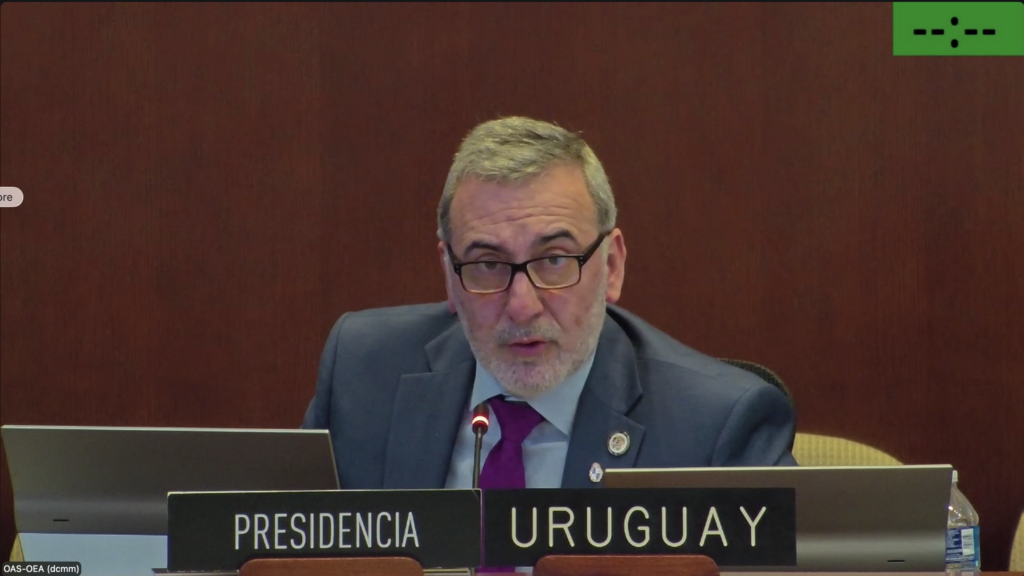
These challenges were at the centre of a dialogue held by the Committee on Juridical and Political Affairs (CAJP) of the Organization of American States (OAS), which examined the implementation of recommendations contained in the recent report of the Inter-American Commission of Women (CIM) on measures adopted by OAS Member States to uphold the human rights of Indigenous women. The discussion brought together representatives of Member States and regional experts to review progress, identify persistent gaps, and explore opportunities for strengthened action.
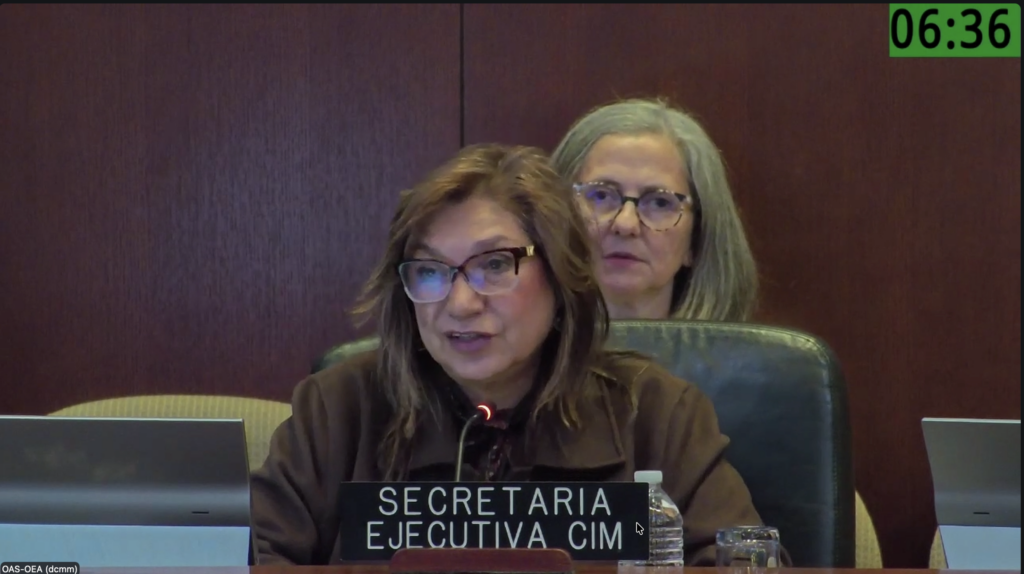
In her presentation, Alejandra Mora Mora, Executive Secretary of the CIM, outlined the report’s main findings, which document both important advances and continuing structural barriers facing Indigenous women across the hemisphere. The report highlights measures adopted by states to expand access to health, education, justice, land rights, political participation, and protection from violence, while also emphasizing the need for stronger implementation, accountability, and the generation of disaggregated data to inform public policy.
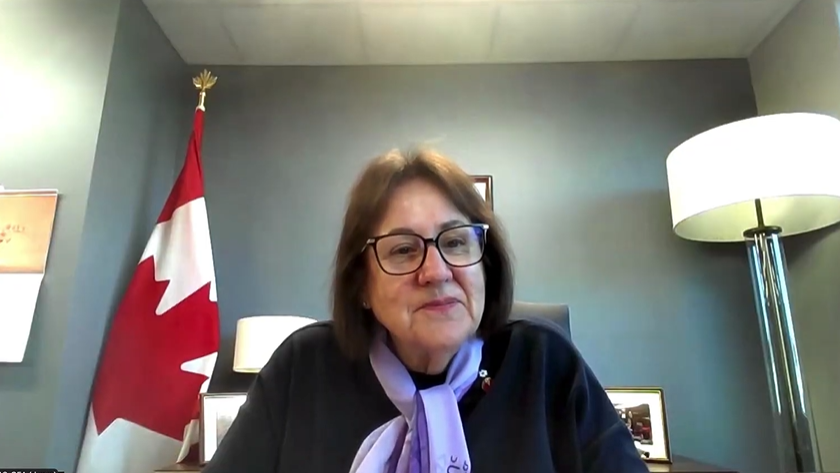
The intervention by Canadian Senator Margo Greenwood, Co-Chair of the ParlAmericas Caucus for the Rights of Indigenous Women and Girls, emphasized that the rights of Indigenous women and girls are fundamental to democracy, human rights, and inclusive governance. She underscored that decisions affecting Indigenous women must be developed with their meaningful participation and leadership, and in that sense, parliaments can play a pivotal role in elevating Indigenous women voices. In that vein, Senator Greenwood highlighted the work of the Caucus as a platform for parliamentary cooperation, mutual learning, and legislative collaboration among parliamentarians from across the Americas and the Caribbean, and shared the priorities identified in its Roadmap for Action, including strengthening the participation of Indigenous women in decision-making, addressing intersecting forms of discrimination, and protecting cultural identities, knowledge systems, and collective rights.
The discussion reflected on a central message emerging from the report: the importance of recognizing Indigenous women not only as rights holders facing discrimination, but also as knowledge holders, community leaders, caregivers, environmental stewards, and agents of change whose contributions are essential to addressing contemporary challenges, including democratic renewal, climate resilience, and sustainable development. Participants also highlighted the relevance of international and inter-American standards in promoting and protecting the rights of Indigenous women.
The exchange reaffirmed that advancing the rights of Indigenous women requires more than legal recognition. It demands sustained political commitment, adequate resources, meaningful participation in decision-making processes, and stronger coordination among governments, parliaments, Indigenous organizations, and international institutions. Participants stressed that ensuring Indigenous women can fully exercise their rights is fundamental to strengthening democratic institutions and building societies that are more equitable, inclusive, and representative of the people they serve.