Acting Together for Haiti: From Diaspora Perspectives to Parliamentary Engagement
November 25, 2026 | Activity
For years now, the Republic of Haiti has found itself in a challenging political and security context. Powerful gangs control vast swathes of territory and infrastructure, including recently up to 90 percent of the capital Port-au-Prince, increasing incidences of violence, deepening food insecurity and limiting people’s freedom of movement. While international support for Haitian-led initiatives is intensifying, the Haitian government and the National Police face a monumental undertaking. The new Ambassador for Haiti in Canada, His Excellency Antonio Rodrigue, describes this as a historic effort from the Haitian government: moving from crisis management to territorial reconquest, institutional reconstruction, and electoral preparation.
International support is key to strengthening Haiti’s institutional capacity to address this multidimensional crisis. Canada is a longstanding partner of the country, with close ties rooted in common language and geographic proximity. Canada is also host to a vibrant and growing Haitian diaspora whose members remain deeply connected to Haiti and are committed to supporting its national recovery and long-term development.
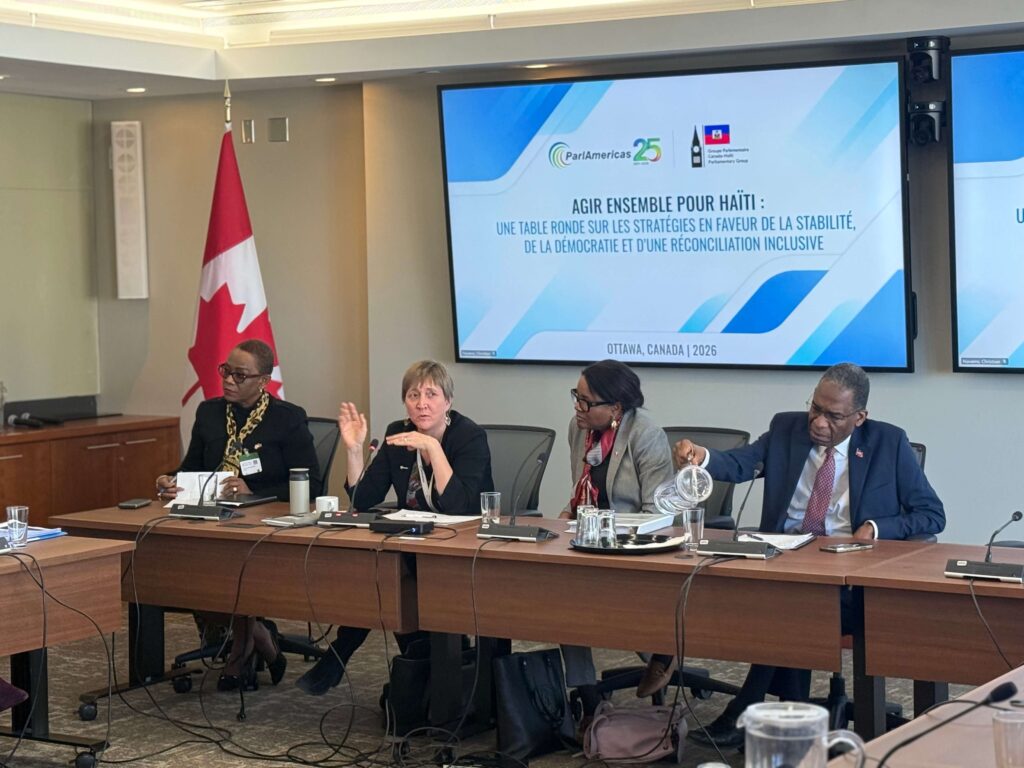
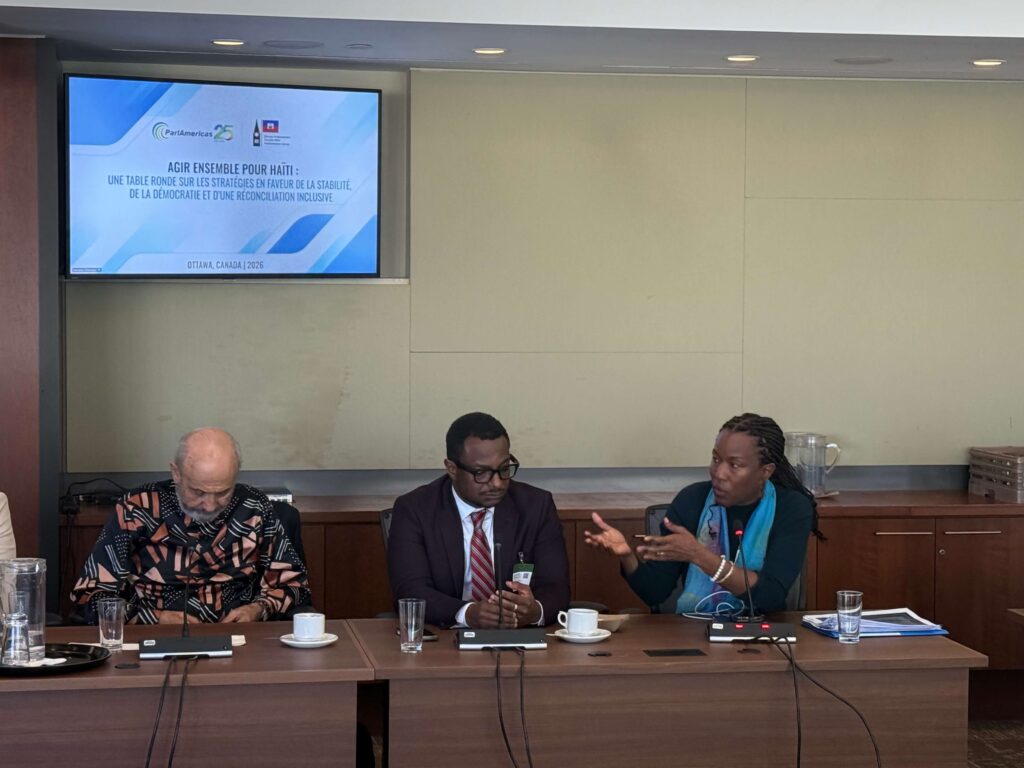
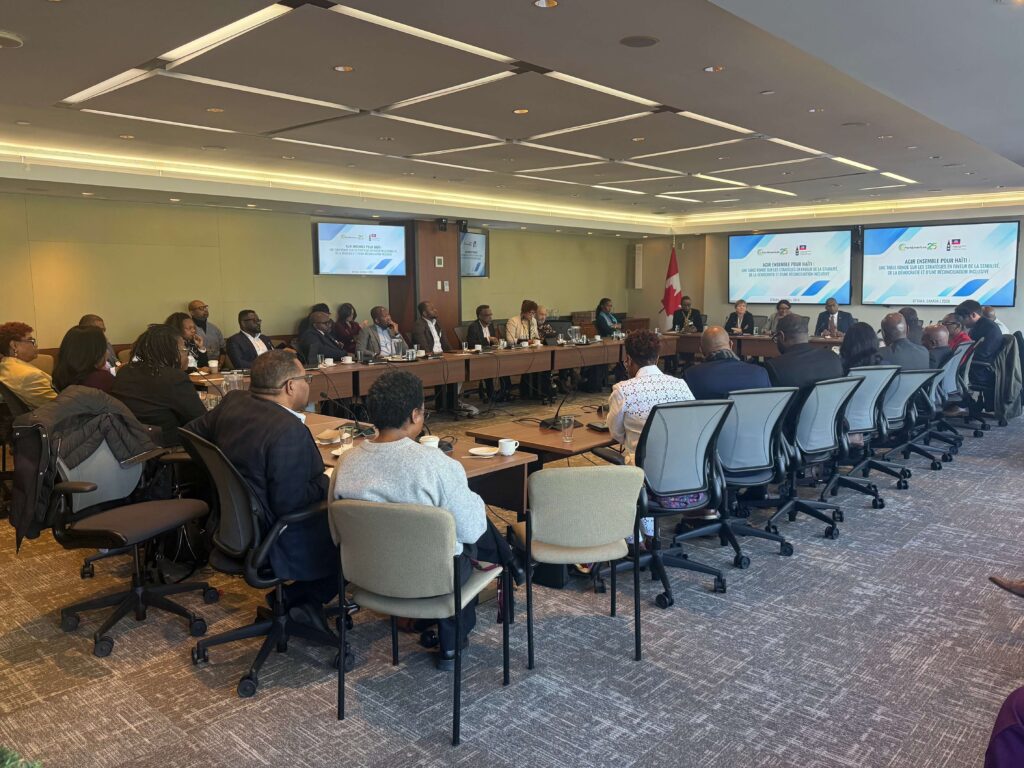
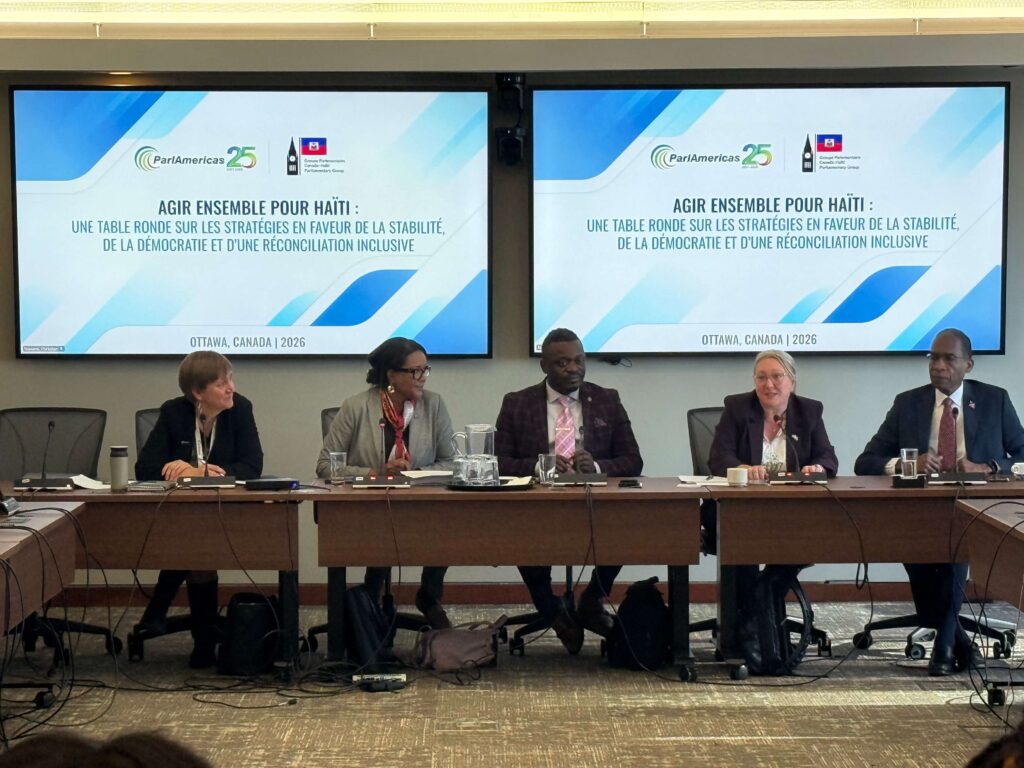
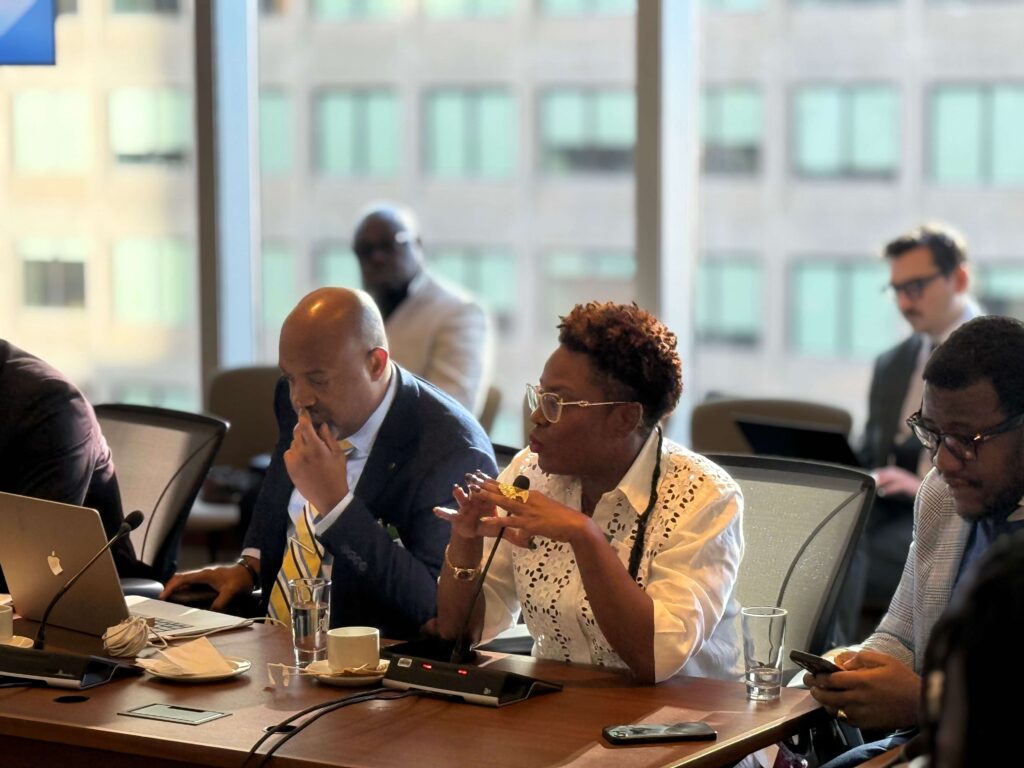
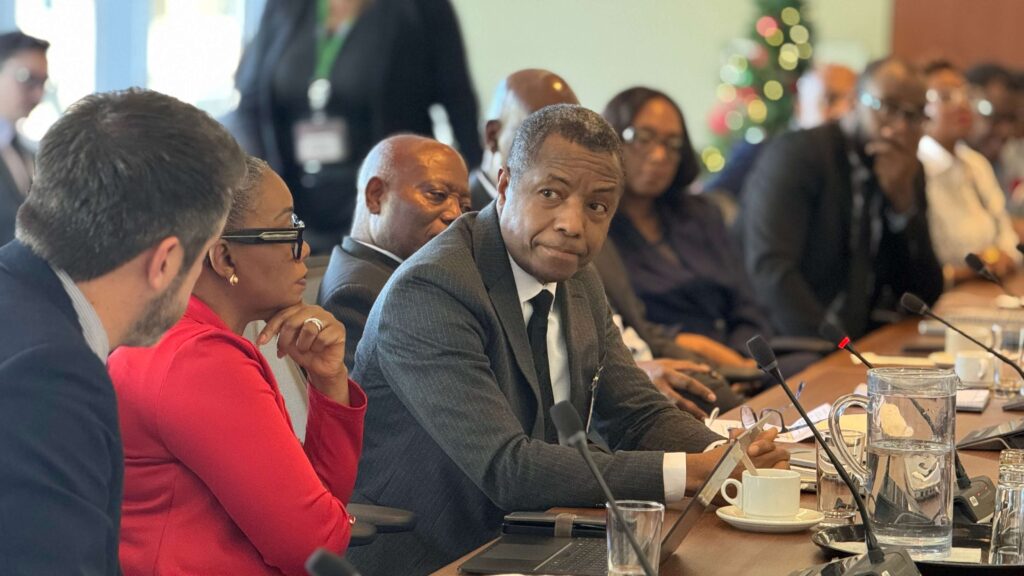
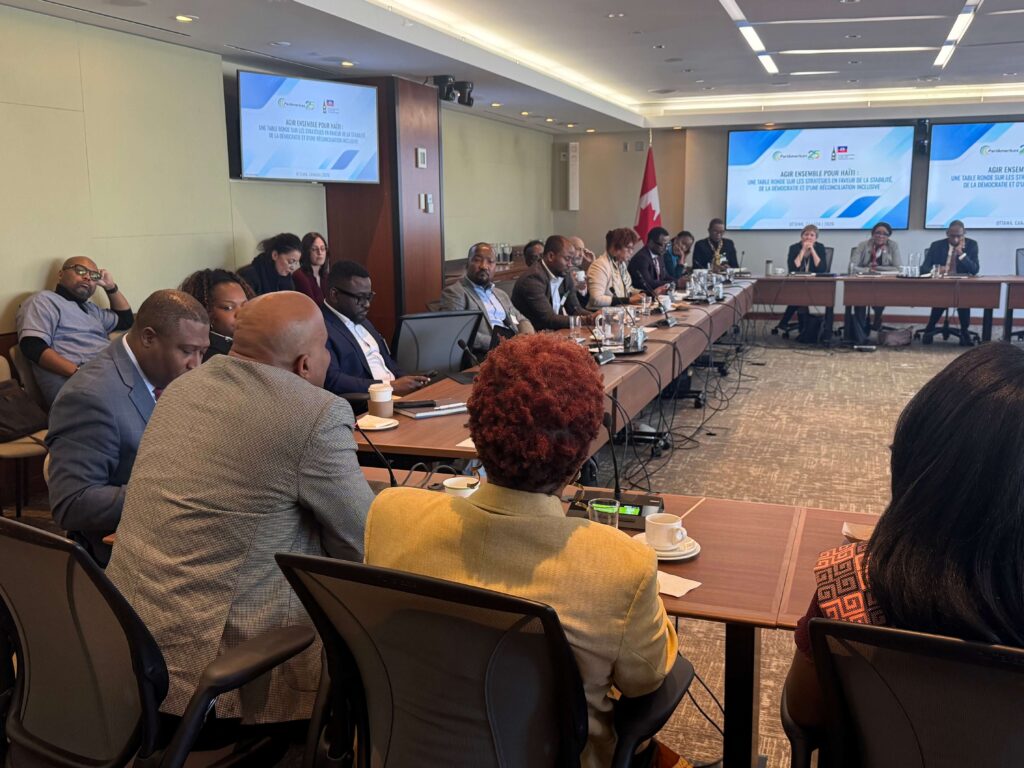
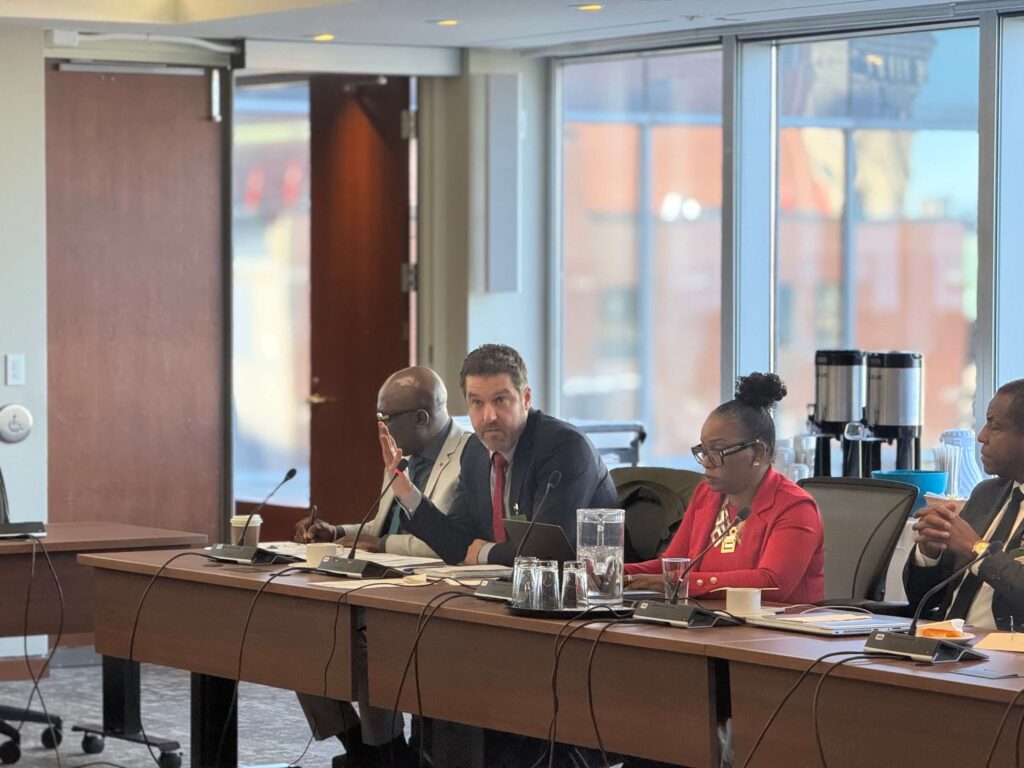
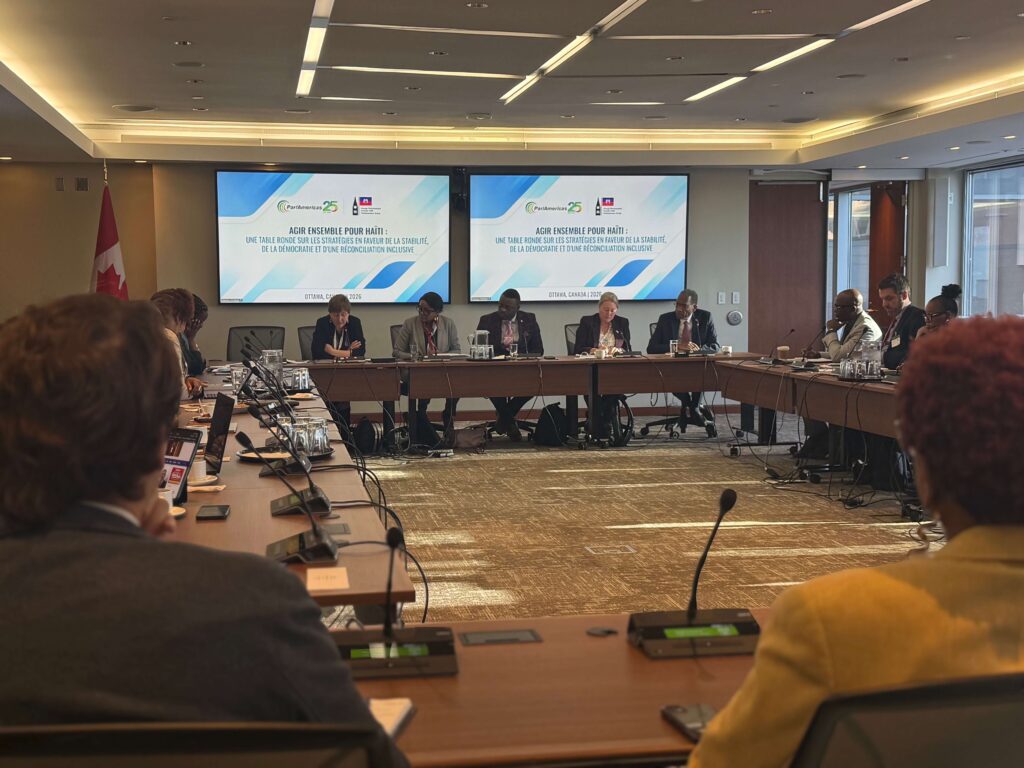
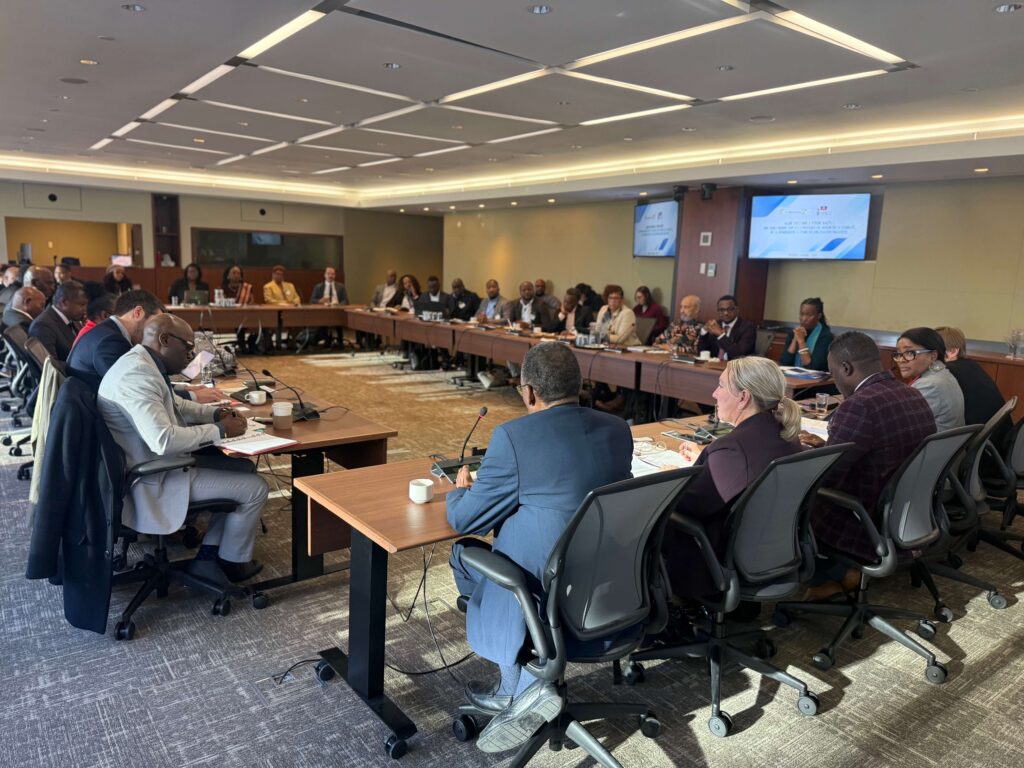
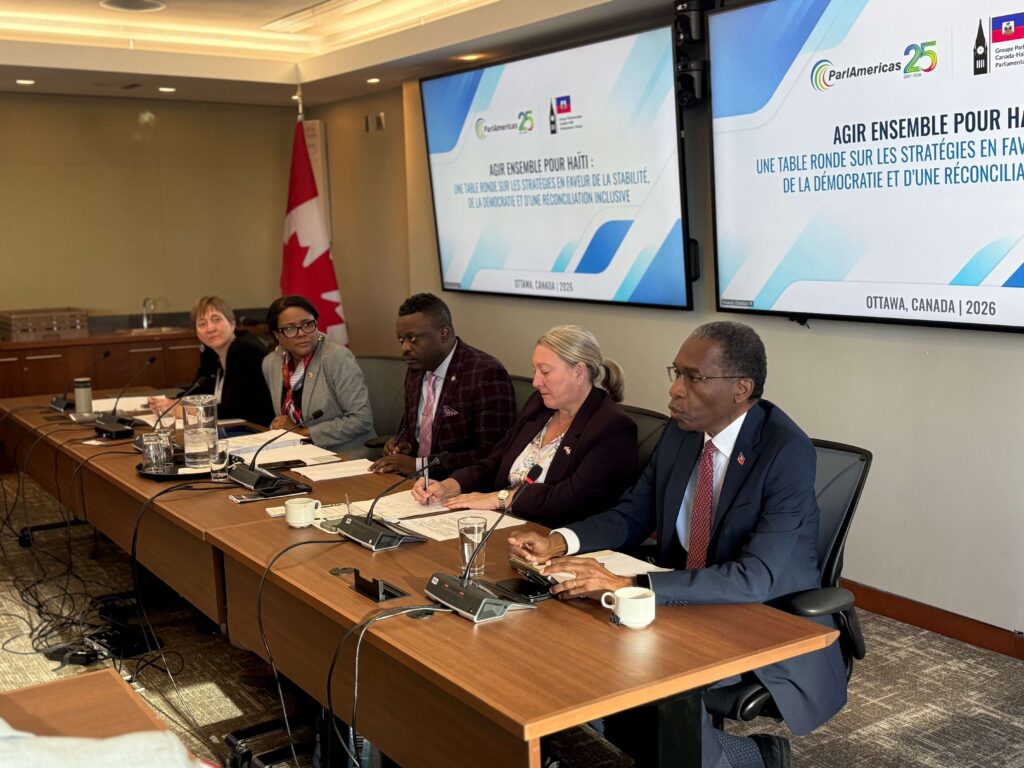
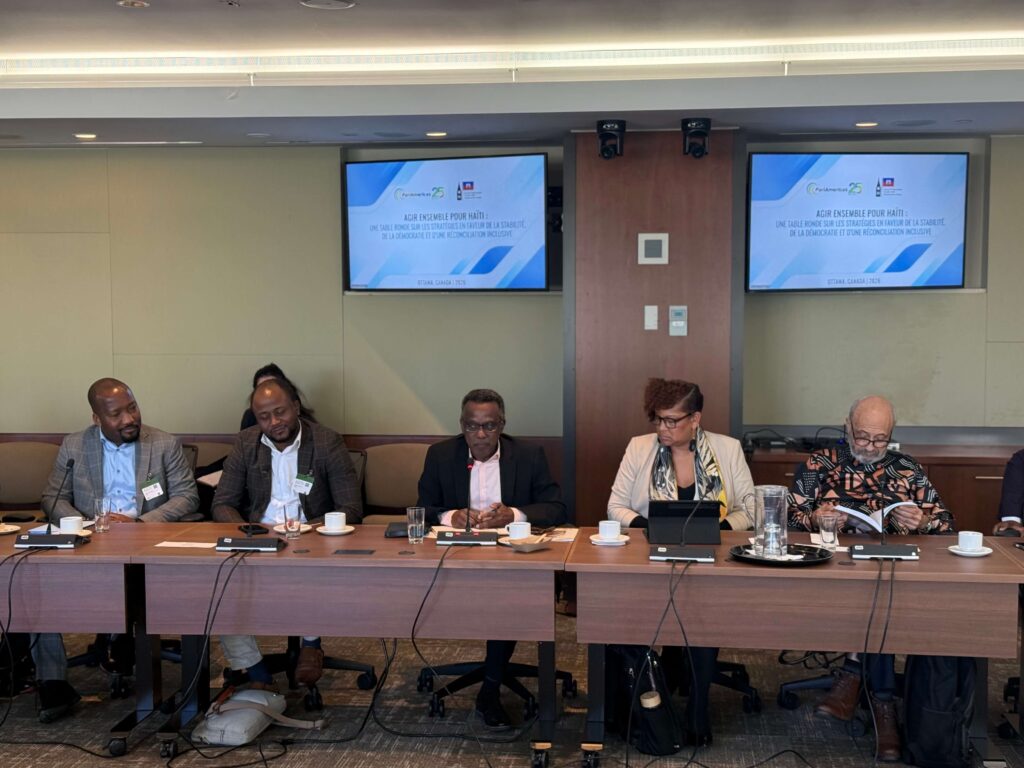
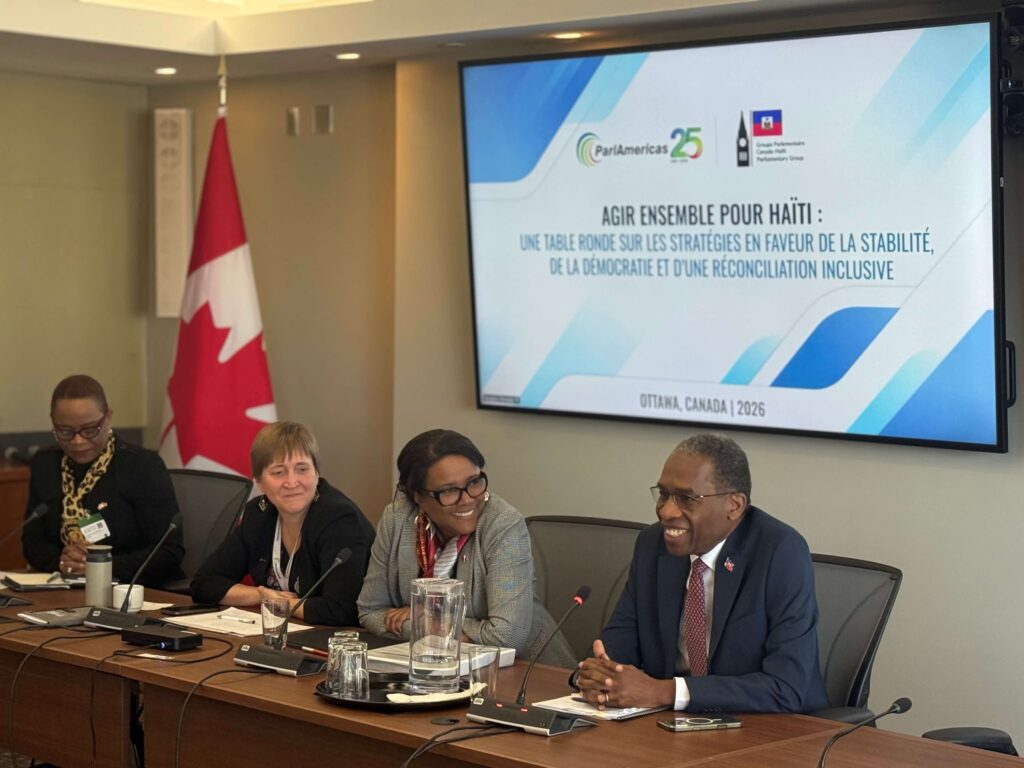
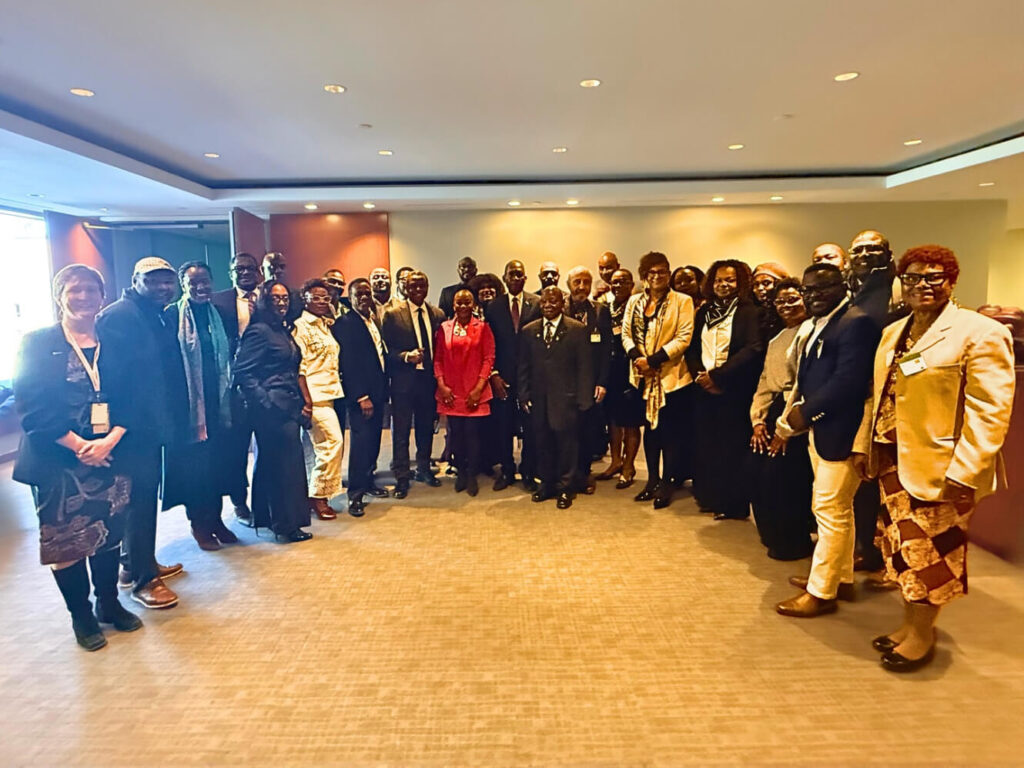
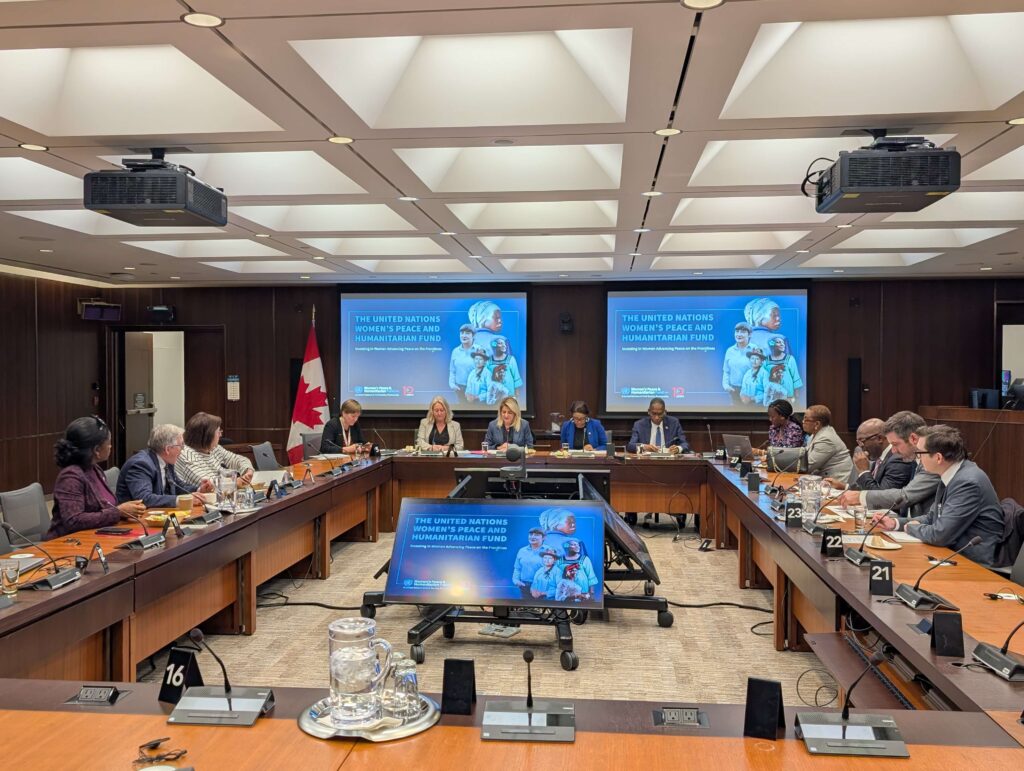
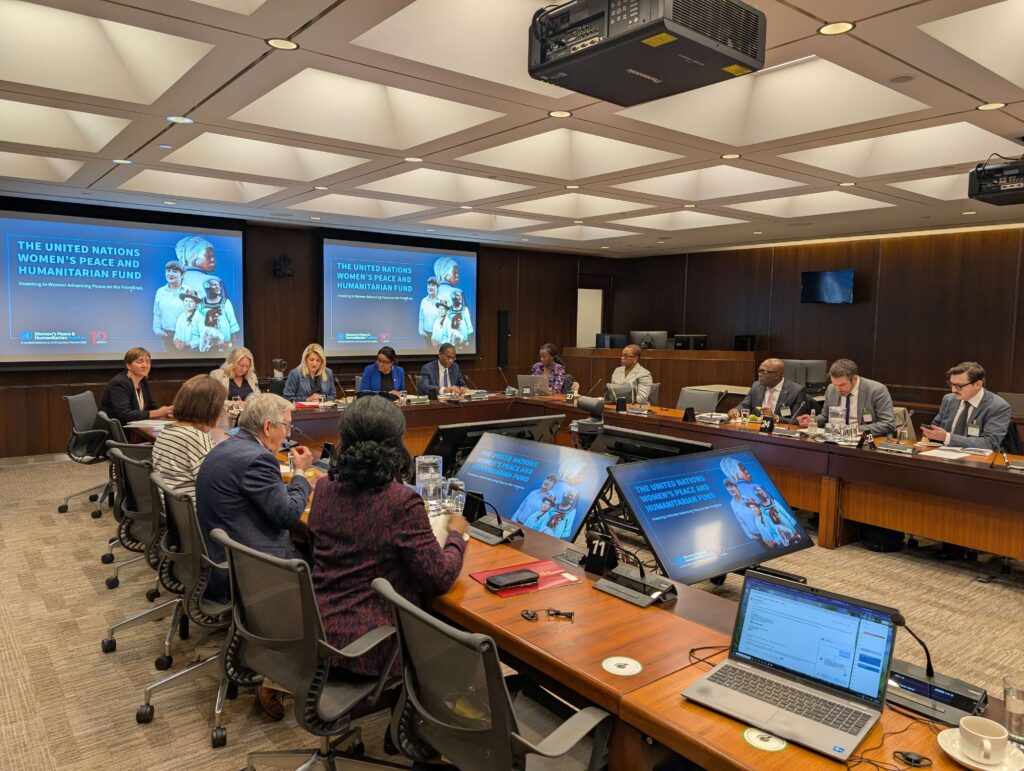
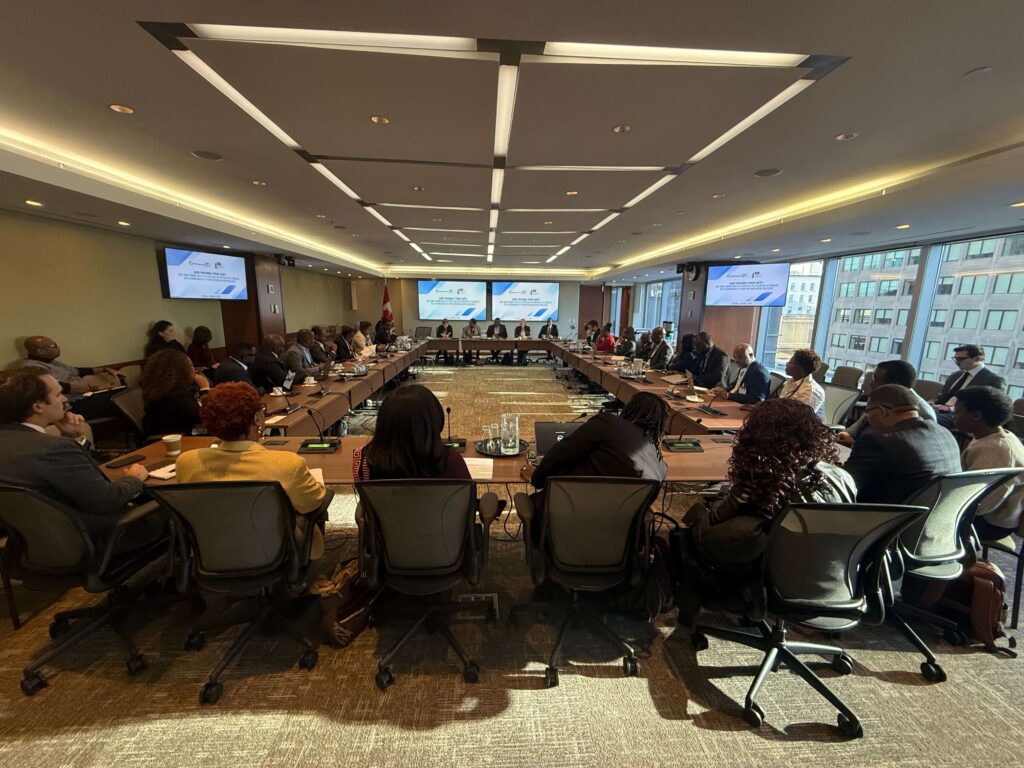
Building on the important role that diaspora communities play in strengthening ties between Canada and Haiti, ParlAmericas and the Canada-Haiti Parliamentary Group (CHPG) brought together parliamentarians, members of the Haitian-Canadian community, and government representatives at the Parliament of Canada for discussions on the evolving situation in Haiti and perspectives to inform Canadian engagement. A dialogue with members of the Haitian-Canadian diaspora, chaired by CHPG Co-President Senator Suze Youance, provided an opportunity for participants to share insights informed by lived experience, professional expertise, and close ties to developments in Haiti. Building on these exchanges, a parliamentary dialogue chaired by Member of Parliament Patricia Lattanzio, Chair of the Canadian Section of ParlAmericas and Second Vice-President of ParlAmericas, explored key institutional, security, and governance challenges facing Haiti and their implications for Canada’s ongoing engagement. Senator Youance and CHPG Co-President Member of Parliament Natilien Joseph contributed to both discussions, helping to carry perspectives shared by the Haitian-Canadian diaspora into the parliamentary dialogue.
At the outset, the dialogues helped build a clearer understanding of the current situation in Haiti and the urgent need to restore stability. Much of the country remains in a situation of heightened public insecurity, marked by kidnappings, killings and other forms of armed violence. Participants also underscored the devastating impact of sexual violence, including rape, particularly against women and girls, and the importance of addressing impunity as part of broader efforts to restore public confidence and support Haiti’s recovery.
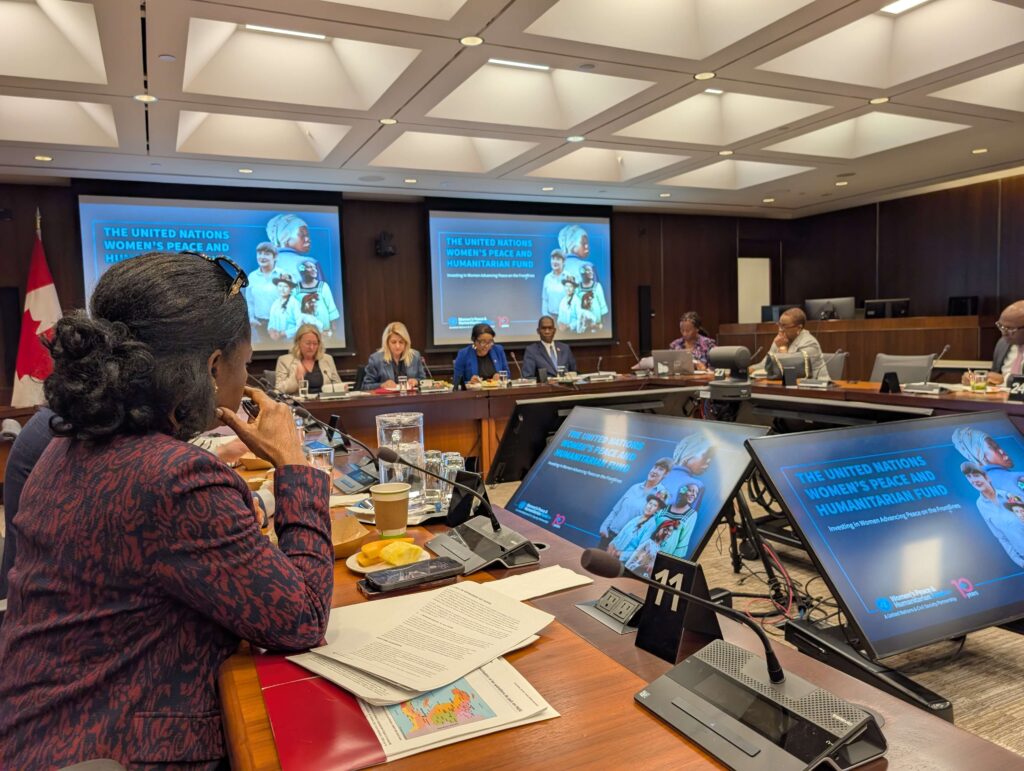
In the opening days of the 16 Days of Activism Against Gender-Based Violence, the safety of women and girls emerged as a key theme in the exchanges. Achieving a more durable peace will require Haitian authorities to create the conditions necessary for women and girls to participate freely, safely, and meaningfully in the country’s reconstruction process. According to Tonni Brodber, Head of Secretariat of the United Nations Women’s Peace and Humanitarian Fund, this calls for sustained action on multiple fronts, including investments in community-led initiatives and violence prevention efforts that strengthen local safety conditions. Equally important is ensuring that Haitian women’s voices are heard and reflected in decision-making processes and national dialogue, as well as in the regional and international discussions shaping support for Haiti’s future. This must be accompanied by the establishment of mechanisms that actively engage women while identifying and addressing the barriers limiting their participation in political and public life. Without safe and inclusive spaces for women, sustainable progress will remain out of reach.
The discussions also underscored the need for Canada to refine its support strategy for Haiti to ensure its contributions translate into tangible improvements for the Haitian people. In this regard, the Haitian-Canadian diaspora represents a valuable asset, a perspective highlighted
by the Honourable Mona Fortier, Parliamentary Secretary to the Minister of Foreign Affairs, through her participation in both the diaspora and parliamentary dialogues. Diverse, highly skilled, and deeply committed, its members can provide critical insights into local realities and help guide Canadian interventions toward more effective and sustainable outcomes.
More broadly, participants agreed that the overarching objective of all interventions should be to restore the autonomy and dignity of the Haitian people and support their ability to determine their own future. Achieving this goal requires establishing stability as a prerequisite for long-term reconstruction efforts. Participants noted that the recent Salvadoran military deployment to Haiti has altered the dynamics on the ground and renewed a sense of hope among the population, while underscoring the importance of ensuring that the intervention remains firmly grounded in respect for human rights and international law.
Participants also emphasized that a sustainable political transition must be rooted in the meaningful participation of the Haitian people. While the organization of elections remains an important objective, members of the Haitian-Canadian diaspora cautioned that insufficient attention has been given to citizen engagement in the current transition process. They stressed that elections alone will not generate legitimacy or long-term stability unless Haitians are able to participate meaningfully in shaping the country’s future. This requires creating opportunities for women and youth, traditionally underrepresented groups, to contribute to national dialogue and decision-making processes. Canada can play a constructive role by supporting inclusive civic participation and helping create the conditions necessary for broad-based engagement in Haiti’s democratic renewal.
Looking ahead, participants emphasized that restoring security remains essential for rebuilding democratic institutions and advancing a Haitian-led transition. At the same time, broad citizen participation and public security were understood as mutually reinforcing objectives: Haitians must be able to engage safely in civic and political life, while greater citizen involvement is itself essential to building trust in the transition process. Canada and the international community must remain aligned with Haitian priorities and initiatives, ensuring that their support responds to the aspirations and needs of the Haitian people. Civil society organizations, community leaders, and the Haitian diaspora will continue to play an essential role in this process, serving as bridges between local realities and international action.
While the challenges remain significant, the dialogues underscored a shared conviction that Haiti’s future can be one of peace, opportunity, and democratic renewal: a country where institutions serve its citizens, where communities can thrive in safety and dignity, and where future generations can once again look ahead with confidence and hope.