Digital Gender-Based Political Violence: Emerging Challenges and Parliamentary Responses to Protect Women’s Political Participation and Strengthen Democracy
October 30, 2026 | Activity
The growing digitization of public life has expanded opportunities for citizen participation and democratic debate, but it has also created new spaces for the reproduction and amplification of violence and discrimination. In this context, gender-based digital political violence has emerged as one of the most pressing challenges to ensuring that women, in all their diversity, may fully exercise their political rights in conditions of freedom, security, and equality.
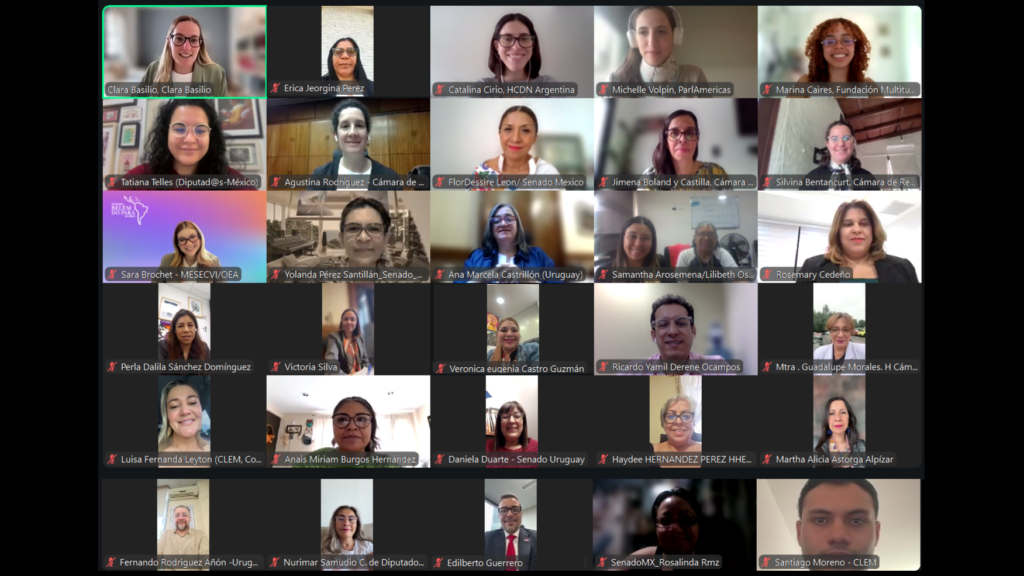
With the aim of strengthening parliamentary efforts to address this issue, ParlAmericas brought together members of its Parliamentary Staff Network on Gender Equality for a virtual dialogue titled “Digital Political Gender-Based Violence: Challenges, Trends, and Responses from Latin American Parliaments.” The event gathered experts with legislative staff to explore emerging trends, share recent evidence, and analyze institutional approaches aimed at preventing, identifying, and responding to this growing form of discrimination and violence.
During the discussion, it was emphasized that technology-enabled violence takes many forms, including hate speech and misogynistic attacks, coordinated disinformation campaigns, identity theft, doxing, the dissemination of sexualized content without consent, the amplification of manipulated messages through bots and fake accounts, and the use of artificial intelligence tools to generate manipulated or misleading content.
The experts noted that these practices seek to discredit, intimidate, and silence women who participate in political life, limiting their access to decision-making spaces and thereby undermining the quality of democracy. They also emphasized that the impacts of digital violence extend beyond the online environment and often result in threats, harassment, and other forms of violence in everyday life outside the virtual world. In this regard, it was emphasized that the withdrawal of women from public life as a result of these attacks represents not only an individual loss, but also a weakening of democracy as a whole.
Sara Brochet, gender specialist at MESECVI/CIM/OAS, highlighted the importance of updating legislation to address the multiple forms of gender-based violence, based on the understanding that the rights enshrined in the Belém do Pará Convention must also be protected in new digital environments, recognizing that these spaces are now fundamental to the exercise of political participation. In addition, the contributions of the Inter-American Model Law to Prevent, Punish, and Eradicate Gender-Based Digital Violence against Women were analyzed, particularly with regard to prevention, response, redress, and eradication.
For her part, the findings presented by Marina Morena Caires of Fundación Multitudes—based on research conducted in nine Latin American countries—revealed persistent patterns of trivialization and delegitimization of women in online public discourse. Through a digital forensic analysis of more than half a million verified interactions, as well as surveys of politically active women, the study identified attacks focused on physical appearance, personal life, and gender stereotypes, as well as increasingly sophisticated tactics to circumvent the moderation mechanisms of digital platforms. Findings also showed that distorting public discourse, undermining the conditions for fair political competition, and imposing additional costs on female candidates, female lawmakers, and their teams have a direct impact on the quality of democratic debate and on the conditions for informed political participation by citizens.
Among the main challenges identified are the inadequacy of existing reporting and protection mechanisms, as well as the lack of timely responses from digital platforms, public institutions, electoral authorities, and political organizations.
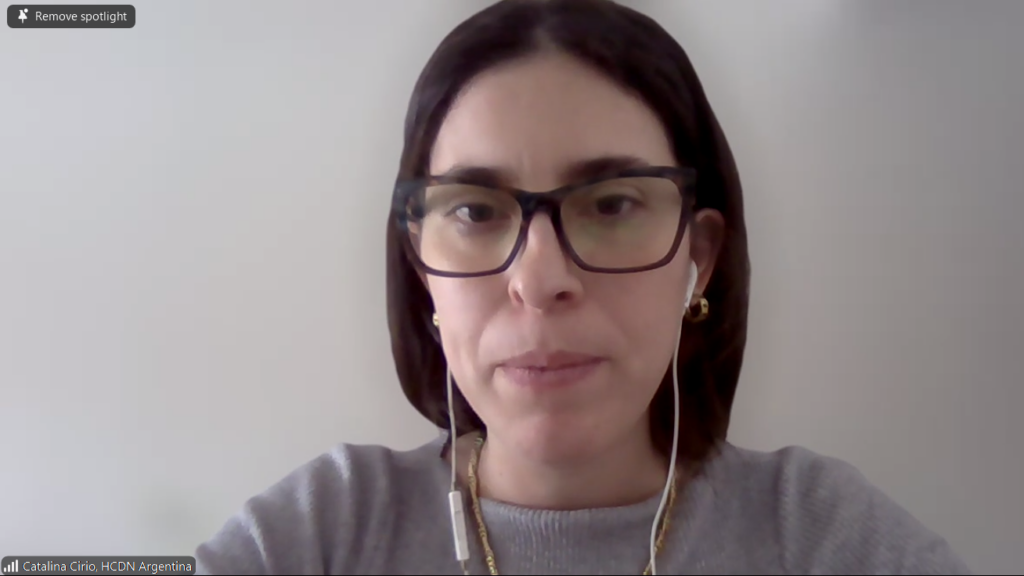
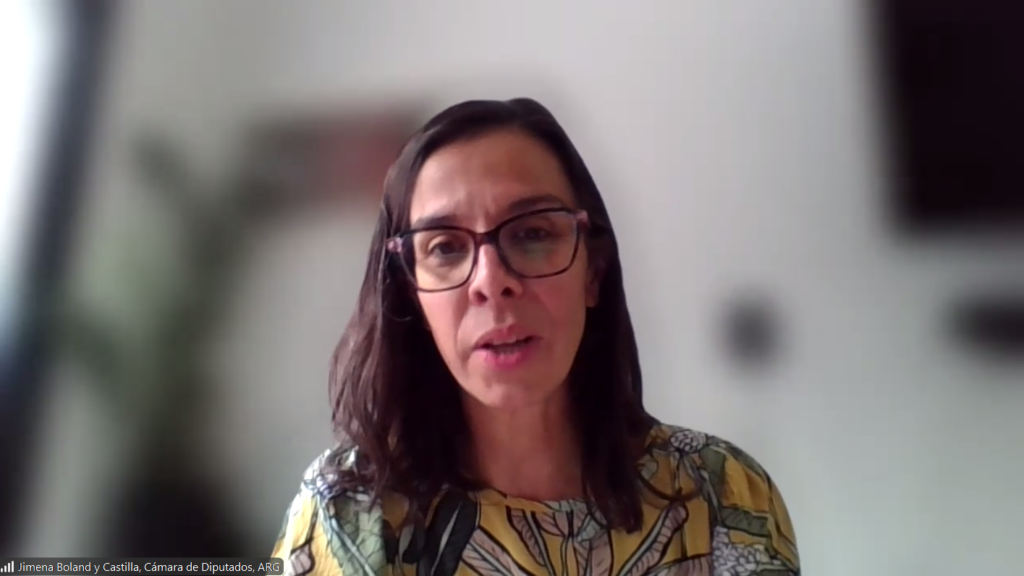
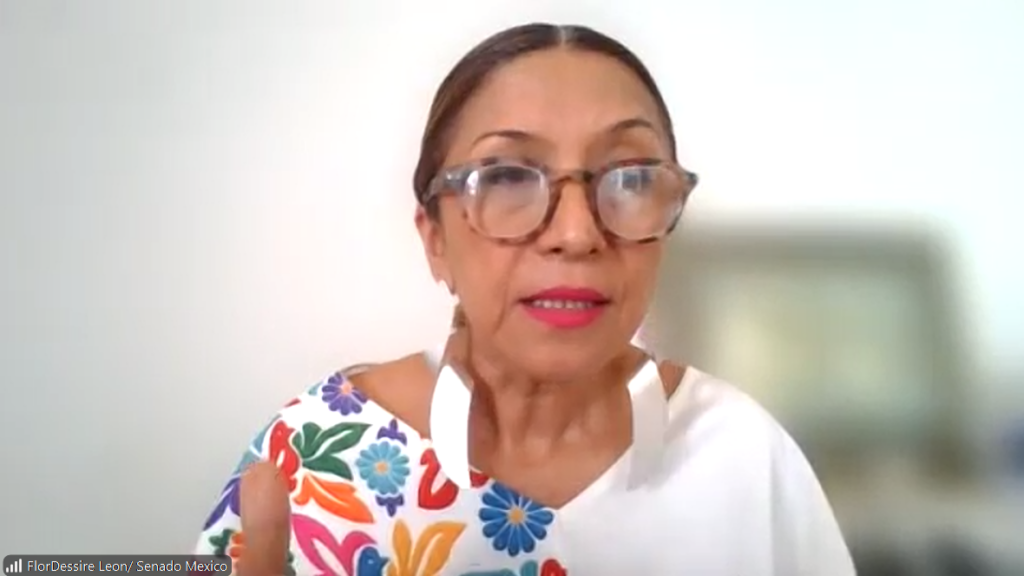
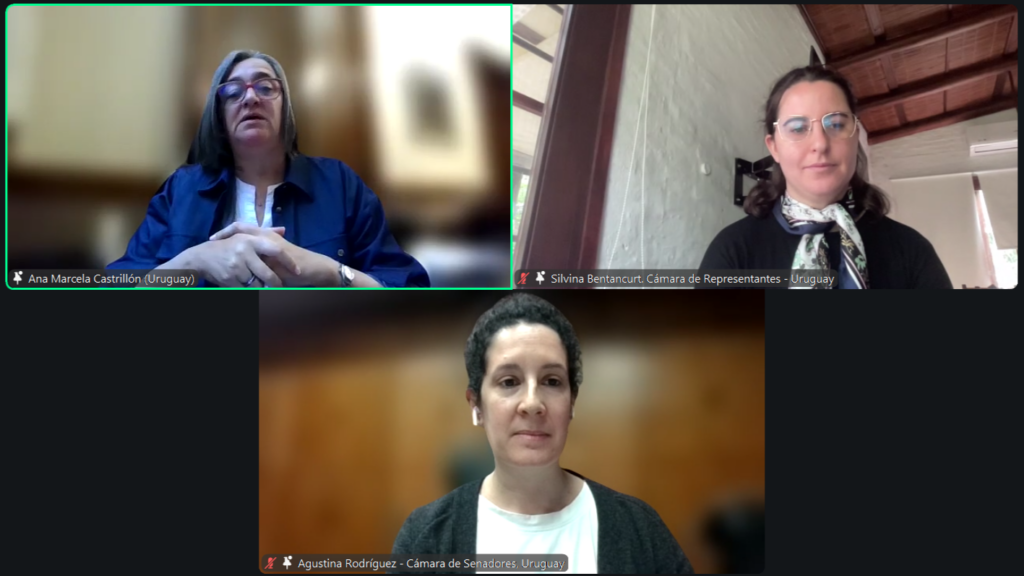
The dialogue also drew on institutional experiences from the parliaments of Argentina, Mexico, and Uruguay, where initiatives are being promoted to monitor and collect data, legislative reforms to address political violence against women, mechanisms for monitoring and reviewing protocols, as well as measures to strengthen gender equality, human rights, and an inclusive organizational culture within the legislative branches.
The participants agreed that parliaments play a strategic role in developing comprehensive responses to digital political gender-based violence. Among the priorities identified were strengthening reporting and protection mechanisms, coordinating with electoral authorities and digital platforms, systematically collecting data, training political parties, and the adaptation of regulatory frameworks to ensure effective mechanisms for prevention, punishment, and redress in response to gender-based digital violence. The discussion reaffirmed that protecting women’s right to participate fully in political life—both in-person and online—is an essential condition for building more inclusive, representative, and resilient democracies.