Trade, Resilience, and Partnership: Canada-Latin America Cooperation in a Changing World
November 3, 2026 | Activity
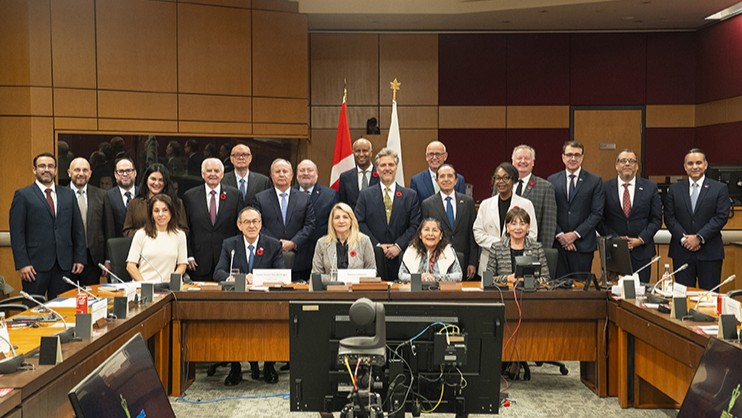
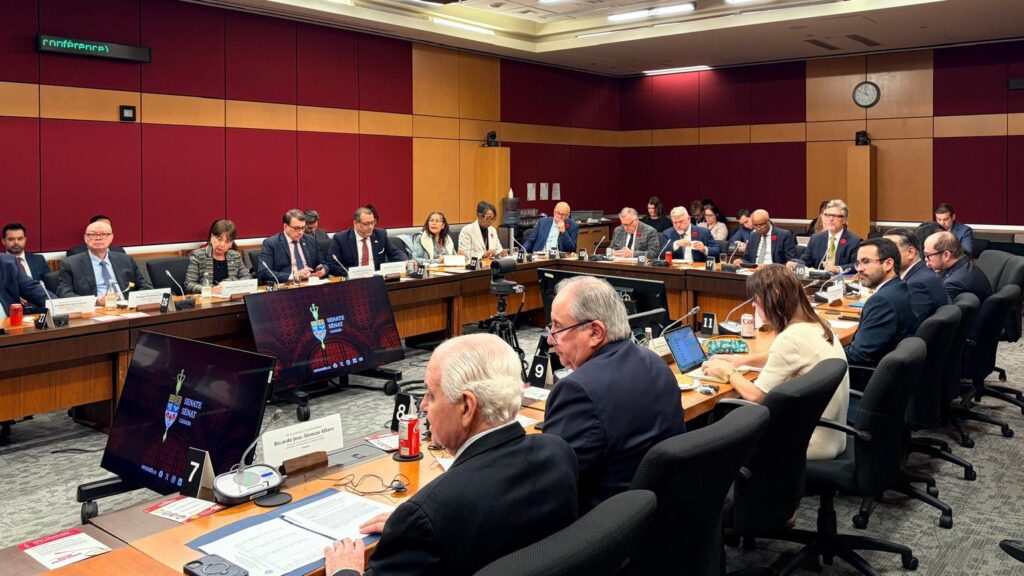
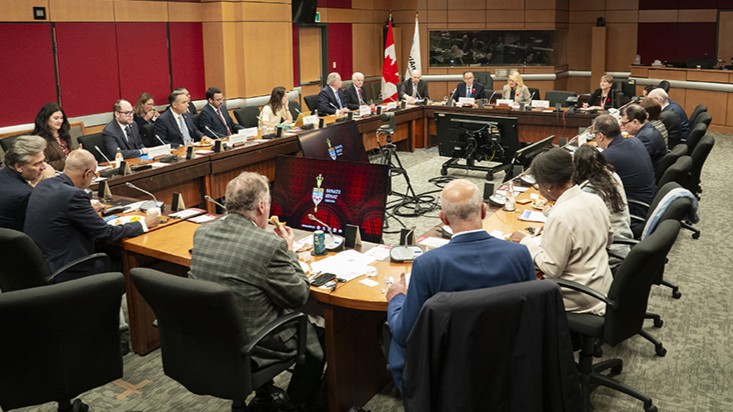
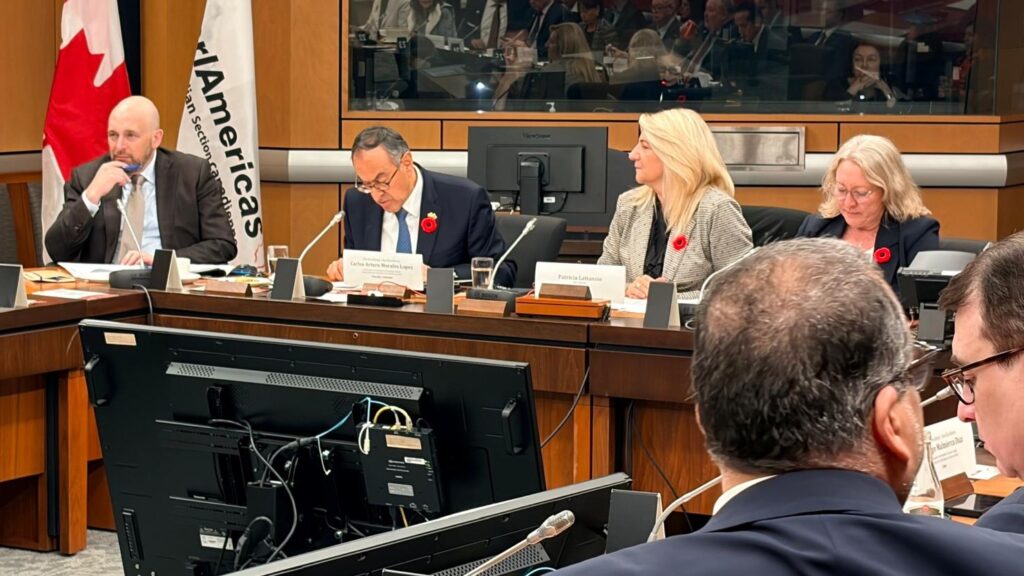
As Canada and Latin America navigate a rapidly evolving global landscape, strengthening partnerships across the hemisphere remains essential to advancing shared prosperity, resilience, and sustainable development. With this objective, the Canadian Section of ParlAmericas (CPAM), in collaboration with the Group of Embassies of Latin American countries (GRULA), hosted the Fourth Latin American Dialogue on the Hill on November 3, 2026, in Ottawa.
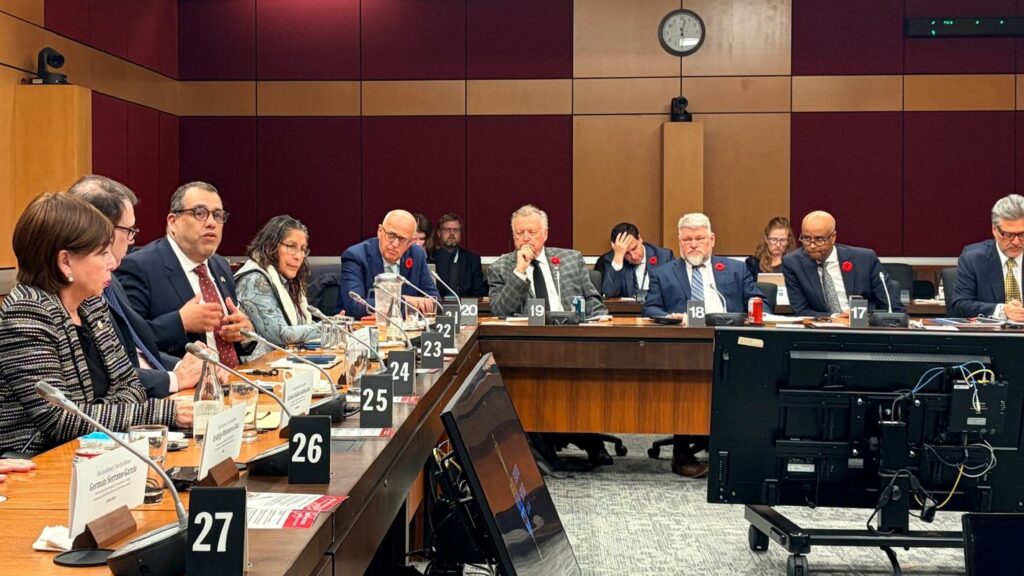
Held at the close of Latin American Heritage Month in Canada, this high-level political dialogue brought together Canadian parliamentarians, Latin American ambassadors, and senior representatives from Global Affairs Canada (GAC) for a timely exchange under the theme “Trade, Resilience, and Partnership: Canada-Latin America Cooperation in a Changing World”. Participants explored opportunities to strengthen Canada-Latin America relations in an evolving global context, exchanging perspectives on trade, investment, innovation, connectivity, and sustainable development, while also examining the broader geopolitical shifts reshaping the hemisphere and the international order.
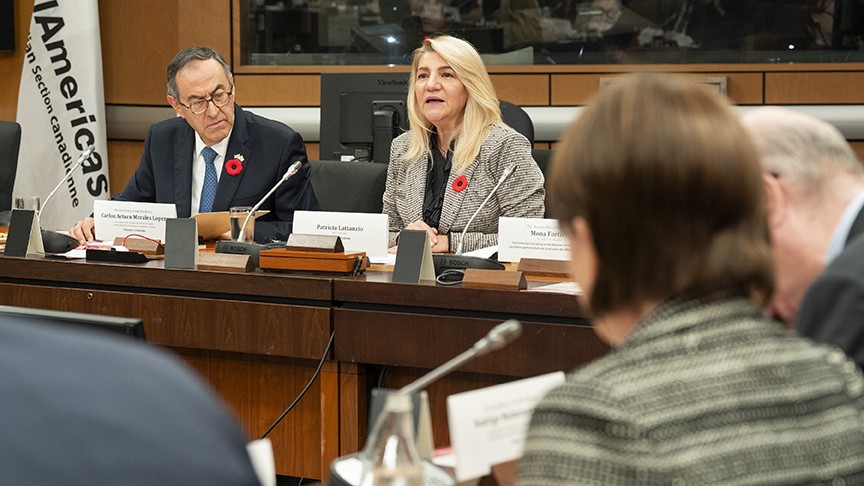
Moderated by Member of Parliament Patricia Lattanzio, 2nd Vice-President of ParlAmericas and Chair of CPAM, the dialogue opened with reflections on the importance of sustained parliamentary engagement in building durable relationships across the hemisphere. Highlighting the work of ParlAmericas to connect parliamentarians from across the Americas and the Caribbean, she emphasized that interparliamentary dialogue helps transform shared interests and values into practical cooperation, fostering the trust and understanding needed to address common challenges. She was joined by H.E. Carlos Morales Lopez, Ambassador of Colombia to Canada and Dean of GRULA, who underscored the importance of sustained dialogue between Canada and Latin America at a moment when both are seeking to navigate profound economic and geopolitical change. These sentiments were echoed by the Honourable Mona Fortier, Parliamentary Secretary to the Minister of Foreign Affairs, who reaffirmed Canada’s commitment to strengthening its engagement with Latin America and the Caribbean. Reflecting on the discussions, she emphasized the value of parliamentary diplomacy in building lasting partnerships and noted her intention to convey the perspectives and priorities shared during the exchange to the Minister of Foreign Affairs.
Throughout the discussion, participants observed that both Canada and countries across Latin America share a common interest in broadening economic opportunities, strengthening resilience, and reducing excessive dependence on any single market. Against the backdrop of ongoing efforts to diversify trade and investment relationships, the dialogue highlighted significant opportunities to deepen cooperation in sectors where interests and capabilities already align, including critical minerals, energy, infrastructure, food security, innovation, and services. Participants also emphasized that economic relations should increasingly move beyond individual transactions and investment projects toward a more strategic partnership grounded in stable rules, integrated value chains, and sustained political engagement. The conversations reflected a shared interest in ensuring that trade diversification efforts translate into tangible benefits for communities across the hemisphere.
Connectivity emerged as a central theme throughout the discussions. Participants emphasized that stronger transportation links between Canada and Latin America are essential to unlocking deeper strategic and economic partnerships across the hemisphere. In particular, they highlighted the importance of increasing direct air connections and improving air access between the region and all parts of Canada, including western provinces that are playing an increasingly important role in Canada-Latin America trade. Enhanced connectivity, participants noted, would facilitate trade, investment, tourism, academic exchange, and people-to-people ties while helping to strengthen relationships beyond traditional commercial hubs. At the same time, participants stressed that connectivity should be understood more broadly, encompassing talent mobility, research collaboration, educational exchanges, and innovation partnerships that help build lasting relationships.
The discussion also highlighted the growing importance of western Canada in the region’s economic relationship with Latin America. Participants pointed to Saskatchewan’s role as a global supplier of potash, a critical input for agricultural productivity and food security throughout the region, as an example of the increasingly robust trade ties linking Latin America with communities beyond Canada’s traditional commercial centres. Against this backdrop, they underscored the importance of transportation infrastructure, ports, logistics corridors, and supply-chain integration in expanding trade flows, strengthening food security cooperation, and supporting more resilient economic relationships across the Americas.
The discussion also highlighted the need to support multilateral institutions and regional cooperation mechanisms at a time when these institutions face growing pressure. Participants exchanged views on geopolitical developments affecting the hemisphere and underscored the importance of preserving spaces for dialogue, cooperation, and collective problem-solving.
In his remarks, Glen Linder, Assistant Deputy Minister at Global Affairs Canada, highlighted the importance of practical demonstrations of international cooperation, pointing to coordinated international support for Haiti as a clear example of multilateralism producing tangible results. He emphasized the critical work being undertaken through United Nations -and Organization of American States- led initiatives and encouraged countries across Latin America to join Canada in contributing financial support to these efforts. Such a collective response, he noted, would not only help address pressing challenges in Haiti but would also demonstrate the continued relevance and effectiveness of multilateralism, regional solidarity, and shared responsibility in confronting common hemispheric challenges.
Closing remarks on behalf of GRULA were delivered by H.E. Jaime Hernán Baeza Freer, Ambassador of Chile to Canada, who observed that the world is changing faster than its institutions. Summarizing the themes raised throughout the dialogue, he called on Canada to articulate a clearer place for Latin America within its broader middle-power strategy and evolving foreign policy vision. He emphasized the importance of moving from dialogue based principally on shared values toward the delivery of concrete projects and practical cooperation, while strengthening connectivity between Canada and the region in all its dimensions. He concluded by noting that parliamentary diplomacy should not be an event, but a habit, and reaffirmed GRULA’s commitment to working alongside Canadian parliamentarians to sustain this dialogue and advance a practical agenda for cooperation.
Concluding the dialogue, MP Lattanzio thanked the ambassadors, diplomatic representatives, parliamentary colleagues, and representatives of Global Affairs Canada for their active participation and thoughtful contributions throughout the discussion. She noted that the breadth of perspectives shared reflected a genuine commitment to strengthening Canada-Latin America relations at a time of significant global change. Reflecting on the dialogue, she emphasized that the relationship between Canada and the region extends well beyond trade to encompass migration, security, climate action, democratic governance, and people-to-people ties. She further underscored the important role parliamentarians play not only in ratifying trade agreements, but also in building enduring relationships between communities across the hemisphere, and expressed the hope that Latin America would feature prominently in Canada’s forthcoming foreign policy strategy.
Ultimately, the dialogue reaffirmed that Canada and Latin America share both a hemisphere and an increasingly common set of interests. As global political and economic realities continue to evolve, participants emphasized the importance of maintaining sustained engagement on questions of trade, connectivity, multilateral cooperation, and regional resilience. The conversations underscored a shared desire to build a more strategic and enduring partnership, translating geographic proximity, shared values, and common interests into a practical agenda for cooperation across the Americas.