Unlocking Circular Economy Opportunities for Green Industrialization in the Americas and the Caribbean
November 4, 2026 | Activity
As the world gathers in Antalya, Turkey, for the 31st Conference of the Parties (COP31) of the United Nations Framework Convention on Climate Change, the global conversation once again focuses on the actions needed to drive the energy and industrial transition required to limit the impacts of climate change. Paradoxically, this transition to a low-carbon economy depends on an unprecedented demand for critical minerals and resources, which in turn places new pressures and risks on the environment. Meeting this demand responsibly requires looking beyond traditional linear extractive and industrial processes. Circular economy approaches can offer an opportunity to address growing resource needs while helping to protect natural ecosystems.
For the Americas and the Caribbean, this opportunity is particularly significant. With a long history of resource and critical mineral extraction for global supply chains, the region is uniquely positioned to leverage circular practices and become a competitive leader in sustainable mining and e-waste recovery. Its abundant reserves of copper, cobalt, lithium and rare earth elements play an essential role in the global transition, including the electrification of transportation systems and the rapid building of data centres.
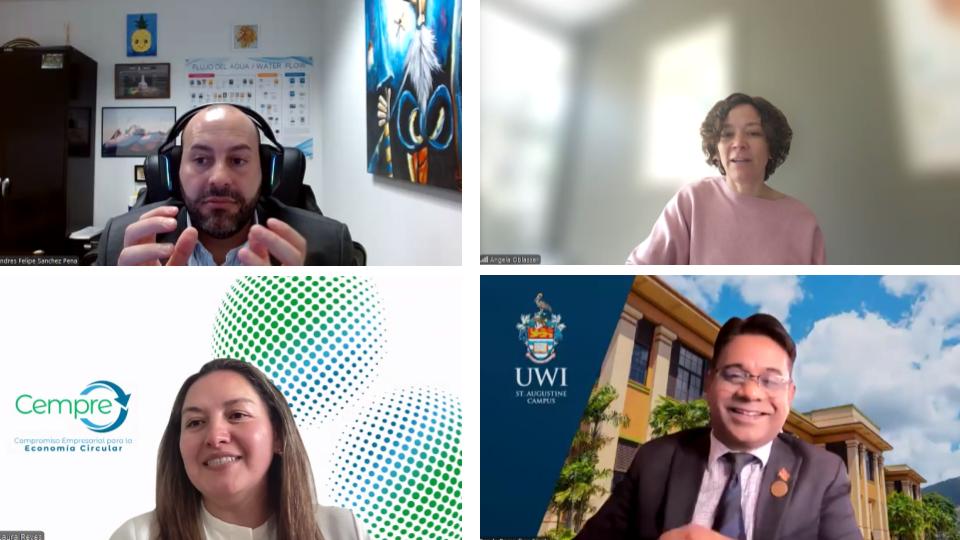
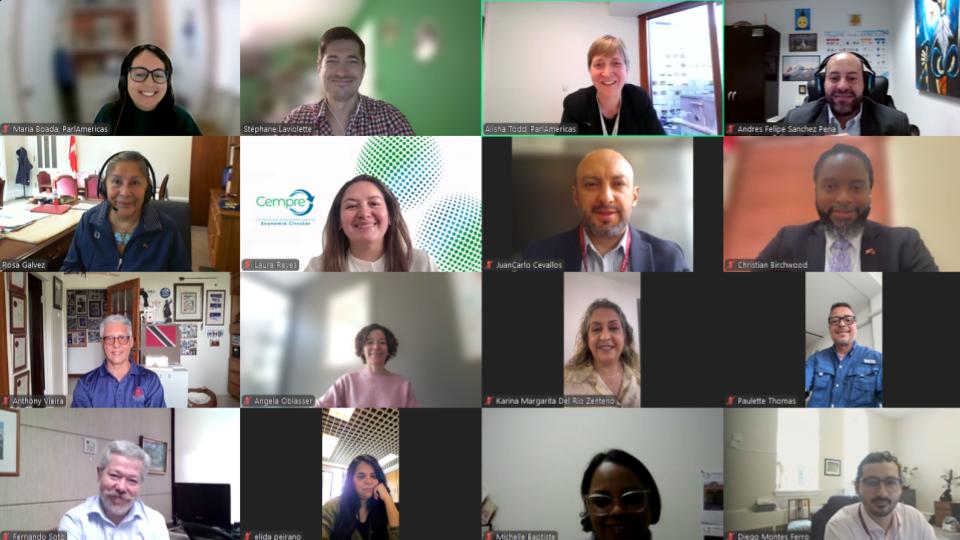
To explore the region’s circular economy potential and the role parliaments can play in unlocking it, ParlAmericas hosted a virtual pre-COP31 meeting on Circular Economy as a Driver of Green Industrialization. Bringing together parliamentarians and subject matter experts from across the Americas and the Caribbean, including representatives from the Organization of American States, the University of the West Indies, Fundación Chile, and CEMPRE, the meeting examined innovative approaches such as resource recovery, re-mining, and the scaling of reusable packaging systems, while identifying legislative and policy opportunities to advance green industrialization.
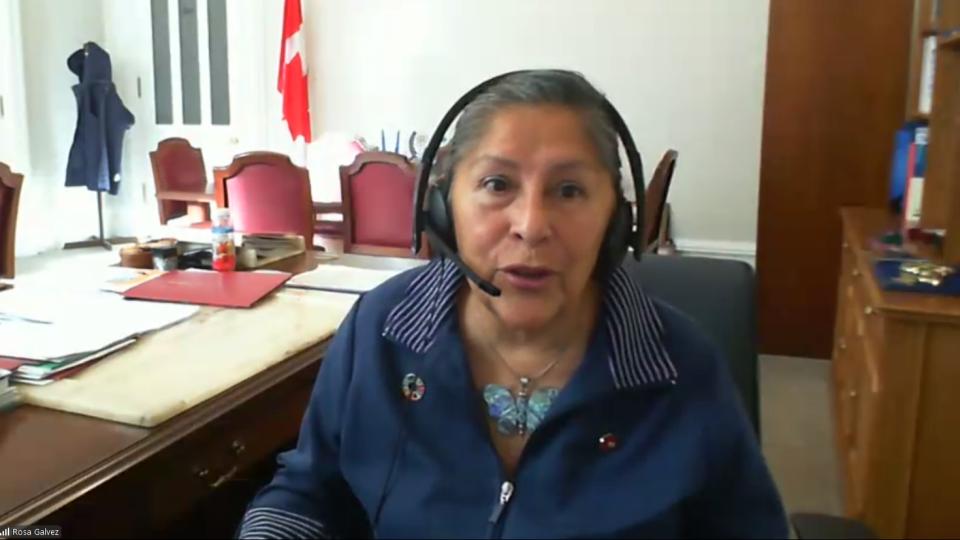
The Americas and the Caribbean are home to some of the world’s most important ecosystems and natural landscapes. This natural capital forms a critical part of the region’s economic foundation and must be protected from increasing development pressures. Canadian Senator the Honourable Rosa Galvez, President of the ParlAmericas Parliamentary Network on Climate Change and Sustainability (PNCCS), pointed to the pressures of growing demand for critical minerals as countries build capacity for new technologies such as artificial intelligence infrastructure, data centres and upgraded power grids. She emphasized that this increasing reliance on resource extraction cannot be considered separately from environmental stewardship. Through re-mining and resource recovery, for example, the environmental impacts of traditional mining operations could be significantly reduced. By increasingly “mining our cities” through the recovery of metals from landfills, abandoned buildings, and end-of-life electronics rather than extracting them from the ground, countries can help meet growing demand for critical minerals while minimizing environmental harm.
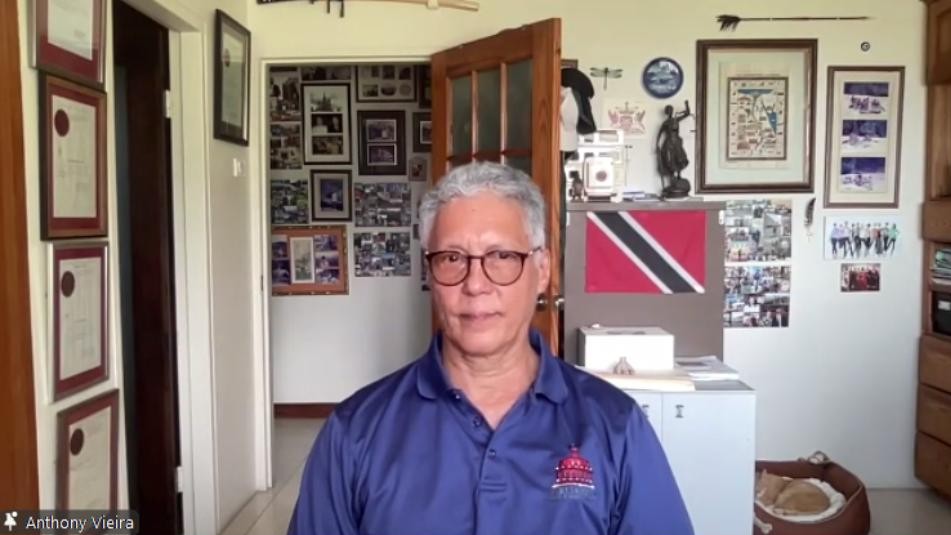
A recurring message throughout the discussion was that environmental restoration should not be treated as an afterthought. Rather, it should be integrated into project planning from the outset. As noted by Senator Anthony Vieira of Trinidad and Tobago, Vice-President for the Caribbean of the PNCCS, environmental responsibility need not come at the expense of economic development. When approached strategically, it can become a driver of innovation, prosperity, and intergenerational justice.
Speakers also emphasized that circular approaches to the extractive sector create economic opportunities across the entire value chain. In addition to reducing the upfront capital costs of new mining operations, re-mining and resource recovery lower production costs while creating new revenue streams from legacy mine tailings and materials previously considered waste. Such practices are projected to support a global critical mineral recycling market valued at US$200 billion by 2050. For the Americas and the Caribbean, developing these industries presents an opportunity not only to supply raw materials to international markets, but also to capture greater value domestically through downstream processing, recovery, and manufacturing activities.
To fully realize these environmental and economic benefits, participants recognized the need for comprehensive legislative and policy frameworks that create favourable conditions for green industrialization and circular economy practices. Such measures can establish clear industry obligations, create financing mechanisms for circular systems, and support pilot projects that foster innovation while demonstrating scalable solutions.
The interconnected nature of the resource extraction and supply chains across the hemisphere underscores the importance of regional cooperation. In her closing remarks, Alisha Todd, Director General of ParlAmericas, highlighted the organization’s commitment to supporting parliamentary collaboration and action on environmental and climate issues. She announced the upcoming Gathering of the PNCCS, to be hosted by the Chamber of Deputies of Mexico on December 8 and 9, where parliamentarians from across the Americas and the Caribbean will discuss Building Sustainable and Resilient Economies.
As COP31 gets underway, parliamentarians can expect new international commitments related to green industrialization. These commitments will present new opportunities to advance legislative action at the national level while strengthening regional coordination. By working together, parliamentarians across the Americas and the Caribbean can help accelerate the transition to more sustainable and resilient economies and contribute meaningfully to achieving shared climate goals.